

Lives Impacted & Real Transformations
Tracking the tangible progress of our community welfare, education, healthcare, and livelihood initiatives.
Individuals directly assisted across all program areas.
Women empowered through self-reliance & tailoring support.
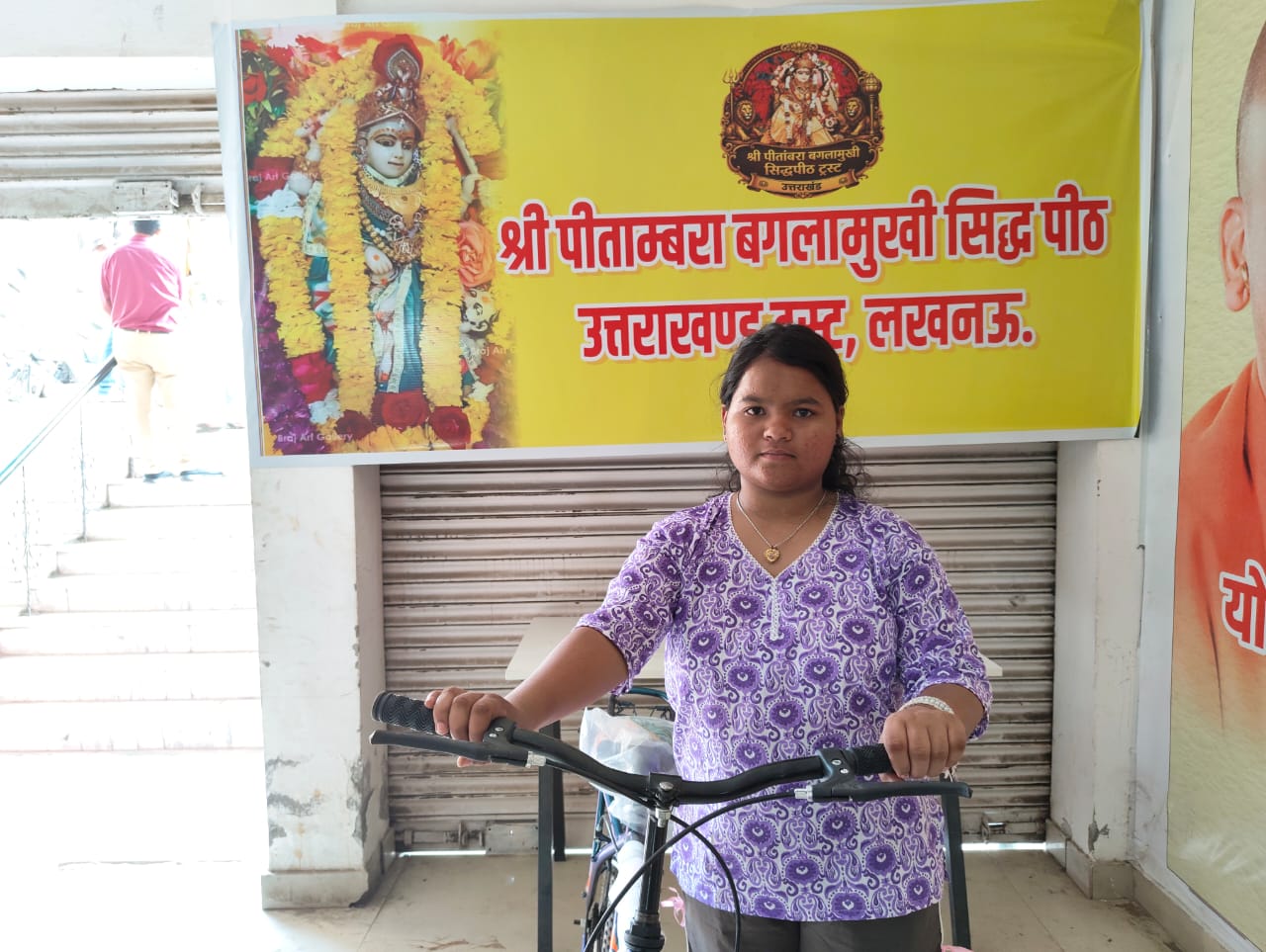
Bicycles, laptops, iPads, and books distributed to school children.
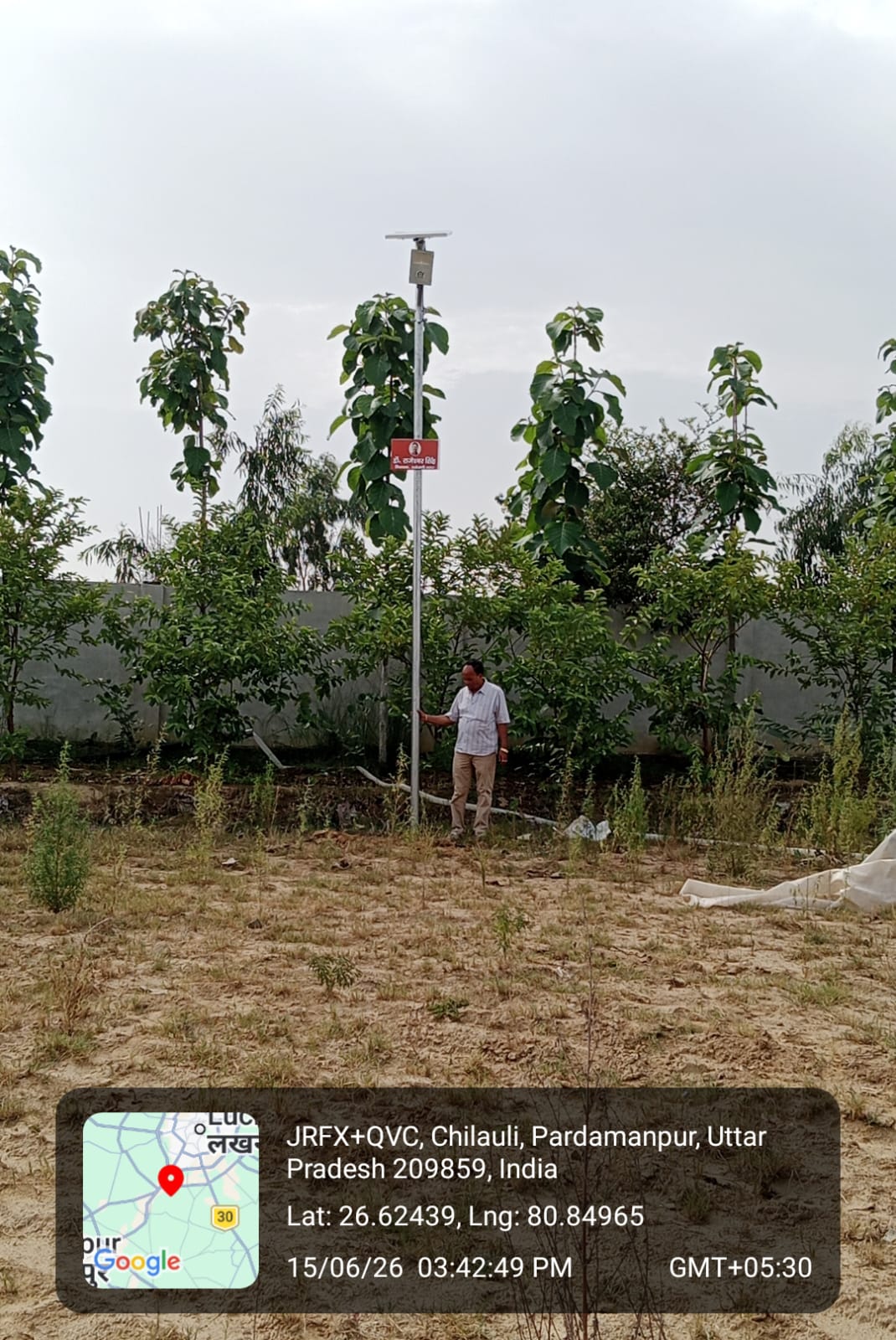
Handpumps, water filters, and street lights installed.
Eradicating Hunger, Poverty & Malnutrition, Promoting Healthcare
Out-of-pocket healthcare burden on households in India, compared to a global average of 20–30%, leading millions into medical debt.
Reduction in treatment delays for critical conditions through immediate direct medical aid, diagnosis funding, and care coordination.
I. Barriers to Healthcare Access
In many low-income and rural households across India, access to healthcare remains constrained by affordability, awareness, and availability. While public systems exist, gaps in coverage and infrastructure often push individuals toward out-of-pocket spending.
Out-of-Pocket Healthcare Spending (% of Total Health Expenditure)
Source: World Bank (2024) & NFHS-5. High out-of-pocket spending forces households to delay critical treatments.
- Limited access to essential and emergency care: Economically weaker individuals often delay or avoid treatment due to lack of funds for consultations, medicines, diagnostics, or hospitalization. This is particularly critical in emergencies where immediate care determines outcomes.
- High out-of-pocket expenditure burden: According to National Family Health Survey (NFHS-5), approximately 60–70% of total healthcare expenditure in India is borne directly by households, compared to a global average of ~20–30%, making India one of the highest out-of-pocket spending countries.
- Financial vulnerability due to health shocks: Data from the World Bank indicates that over 55 million Indians fall into poverty annually due to healthcare expenses, highlighting the direct link between illness and financial distress.
- Delayed or avoided treatment: Due to financial barriers, many low-income patients postpone treatment, worsening health outcomes. A study published in PLOS ONE found that 69% of tuberculosis patients in India incurred pre-treatment out-of-pocket expenses, while treatment delays commonly extended beyond 21 days due to affordability and access constraints.
II. Targeted Medical Aid Support
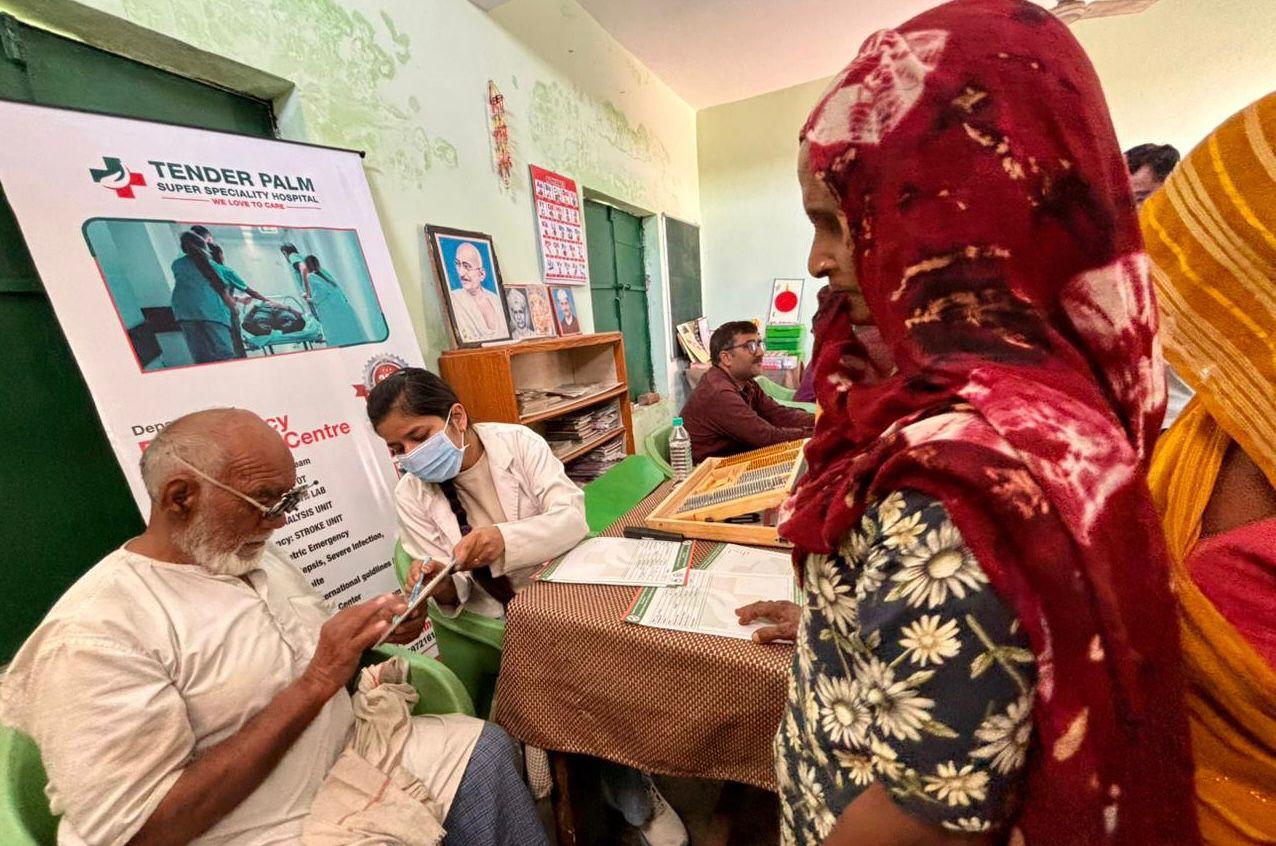
Medical aid programs provide financial and logistical assistance to bridge the affordability gap and ensure timely treatment access. This includes support for consultations, medicines, diagnostics, surgeries, and emergency care.
- Direct financial assistance: Covers partial or full treatment costs
- Logistical support: Includes hospital coordination, transport, and access facilitation
- Focus on vulnerable groups: Prioritizes low-income families, elderly, and critical cases
III. Improved Health and Financial Stability
Timely medical aid leads to measurable improvements in both health outcomes and economic resilience.
- Reduced treatment delays: Access to immediate financial support reduces delays in seeking care by nearly 25–35%, enabling earlier diagnosis and treatment. A 2024 study published in The Lancet Regional Health – Southeast Asia found significantly faster treatment initiation among financially supported patients in India.
- Improved recovery and survival rates: Early treatment significantly improves outcomes, particularly in acute and chronic conditions, reducing complications and hospitalization duration.
- Lower financial stress on households: Covering even 30–60% of medical expenses can help families avoid high-interest loans or selling assets during health emergencies. A study published in the International Journal for Equity in Health found that many Indian households resort to borrowing money or selling assets to manage out-of-pocket healthcare costs.
- Prevention of medical poverty: With healthcare costs being a major poverty driver, timely aid helps protect household income and savings, as supported by World Bank findings.
- Increased healthcare utilization: Beneficiaries are more likely to seek preventive and follow-up care, reducing long-term disease burden.
IV. Why This Intervention Matters at the Grassroots Level
In rural and low-income settings, medical aid functions as a critical safety net. Without it, healthcare remains inaccessible despite availability.
- Converts delayed/avoided treatment into timely care
- Reduces 60–70% out-of-pocket burden on vulnerable households
- Prevents transition from illness to poverty
- Strengthens trust in healthcare systems
Comparative Impact:
- Without support: Delayed care, high financial burden, risk of poverty
- With support: Timely treatment, reduced costs, improved health outcomes
Over time, consistent medical aid interventions not only save lives but also stabilize families economically, contributing to a healthier and more productive rural population.
I. Extreme Vulnerability and Social Exclusion
Across vulnerable communities in India, orphans and destitute individuals face acute deprivation due to the absence of stable family support, income, and social security. Many remain outside formal welfare systems or receive irregular assistance.
- Lack of basic survival resources: A significant proportion struggle to secure daily necessities such as food, clothing, and shelter. Estimates suggest that nearly 30–40% of destitute populations lack consistent access to these essentials, especially in underserved rural and peri-urban regions, according to assessments referenced by the Ministry of Social Justice and Empowerment.
- Limited access to education and care: According to UNICEF India, orphaned and vulnerable children are significantly more likely to drop out of school due to financial instability and lack of support.
- High exposure to exploitation and neglect: Without stable guardianship, children face higher risks of abuse, child labour, and unsafe living conditions. The Ministry of Women and Child Development highlights that absence of structured support increases long-term social vulnerability.
- Absence of financial and emotional security: With no reliable support system, even minor disruptions such as illness or displacement can quickly escalate into severe crises.
II. Direct Support for Stability and Continuity
150+ Aid programs focused on providing immediate and sustained assistance are provided by us to ensure dignity, and developmental continuity. This includes food, shelter support, education funding, and healthcare access.
- Essential resource provision: Food kits, clothing, and daily-use items
- Financial aid: Support for school fees, living expenses, and emergencies
- Care linkage: Connection to shelters, hostels, or community care systems
III. Measurable Improvements in Stability
- Improved access to basic needs: Regular assistance ensures consistent availability of food, shelter, and essentials, reducing survival uncertainty.
- Enhanced educational continuity: Financial support can improve school attendance and continuity by approximately 20–30% among vulnerable children receiving sustained assistance, based on child welfare observations cited by UNICEF India.
- Reduction in vulnerability: Structured aid reduces exposure to exploitation and unsafe environments, particularly for children and elderly destitute individuals.
- Better physical and mental well-being: Access to nutrition, healthcare, and safe living conditions contributes to improved overall health outcomes.
- Pathway to rehabilitation: Continued support increases the likelihood of integration into education systems, vocational training, or stable livelihoods.
IV. Why This Intervention Matters at the Grassroots Level
For orphans and destitute individuals, basic support is not supplementary—it is foundational. Without it, survival itself becomes uncertain.
- Addresses the 30–40% gap in access to essential needs identified in vulnerable communities
- Reduces education disruption and dropout risk among orphaned children
- Creates pathways for rehabilitation, stability, and long-term independence
Comparative Impact:
- Without support: Irregular food/shelter, high vulnerability, education disruption
- With support: Stable living conditions, improved safety, continued education
I. Sudden Economic Shock and Instability
In many cases across India, the death of a primary earning member—especially in professions like legal advocacy or due to accidents—creates an immediate financial vacuum. Households that were previously stable face abrupt income loss, with limited fallback mechanisms.
- Loss of primary income source: In most affected households, 70–90% of total income is lost instantly, leaving families without the means to cover daily expenses.
- High financial instability among widows: Trends from National Family Health Survey (NFHS-5) indicate that 50–60% of widows face significant financial distress, particularly in the absence of savings, insurance, or steady income sources.
- Limited access to social security: A large proportion of widows, especially in informal sectors, lack access to pensions, insurance claims, or structured compensation systems, as noted by the Ministry of Women and Child Development.
- Increased dependency and vulnerability: Without immediate support, widows often become dependent on extended family or informal borrowing, increasing long-term financial risk.
II. Targeted Financial and Material Support
30+ Support programs provided by us give immediate relief and short-term stabilization through direct financial aid, essential resources, and assistance in accessing entitlements.
- Immediate financial assistance: Helps manage urgent expenses (food, rent, education)
- Material support: Includes essential household items and basic needs
- Guidance and linkage support: Assistance in accessing legal claims, pensions, or compensation
III. Reduced Distress and Improved Stability
The impact of this intervention is it significantly reduces the economic and social impact of sudden loss.
- Stabilization of household finances: Support helps offset 20–40% of immediate income loss, enabling families to maintain basic living standards.
- Reduction in financial vulnerability: Interventions reduce overall economic distress by approximately 25–35%, limiting reliance on high-interest loans or asset liquidation.
- Prevention of debt accumulation: Early assistance prevents households from entering debt cycles, which often carry interest rates of 24–60% annually in informal lending markets.
- Improved continuity in education and daily life: Financial stability ensures that children’s education and essential household activities continue without disruption.
- Gradual pathway to self-reliance: With stabilization, widows can explore livelihood options, skill development, or small scale income activities over time.
IV. Why This Intervention Matters at the Grassroots Level
In the absence of immediate support, the loss of a breadwinner can push families from stability into long-term poverty. Targeted aid acts as a critical buffer during this transition period.
- Converts sudden income loss into manageable financial adjustment
- Addresses 50–60% financial instability among widows
- Reduces dependence on informal and high-risk borrowing
- Supports household continuity and resilience
Comparative Impact:
- Without support: Severe income shock, debt risk, long-term instability
- With support: Stabilized finances, reduced distress, pathway to recovery
Over time, structured assistance helps widows regain financial footing, protect their households, and transition from crisis management to gradual economic independence.
I. Seasonal Vulnerability and Exposure
In many parts of India, winter conditions—especially in northern regions—pose a serious risk to elderly and low-income populations who lack adequate shelter and protective resources. Exposure to cold becomes a direct health threat rather than a discomfort.
- Inadequate protection against cold: An estimated 20–30% of low-income elderly individuals lack sufficient winter clothing or bedding, leaving them exposed to low temperatures, particularly at night.
- High susceptibility to cold-related illnesses: The elderly are physiologically more vulnerable, with increased risk of conditions such as hypothermia, respiratory infections, and joint complications. Data from the Ministry of Health and Family Welfare indicates seasonal spikes in respiratory illnesses during winter months.
- Poor living conditions amplify risk: Many individuals reside in semi-pucca or kutcha houses, or even open environments, where insulation is minimal. This increases exposure levels significantly compared to adequately housed populations.
- Limited financial capacity for seasonal needs: For households earning an average of ₹8,000–₹15,000/month, winter essentials like blankets are often deprioritized against food and daily expenses.
II. Targeted Seasonal Relief
25+ Blanket distribution programs done by us provide immediate, low-cost protection against harsh weather conditions, particularly for elderly and economically weaker groups.
- Direct distribution of blankets: Ensures immediate usability
- Focus on high-risk groups: Elderly, homeless, and low-income households
- Low-cost, high-impact intervention: One-time provision with immediate benefit
III. Reduced Health Risk and Improved Comfort
Providing blankets leads to measurable short-term improvements in safety and well-being.
- Reduction in exposure-related health risks: WHO says, Adequate thermal protection can reduce cold-related illness incidence by 20–30%, particularly among elderly populations.
- Improved night-time safety and comfort: Protection during night hours—when temperatures drop the most—significantly lowers risk of hypothermia and respiratory stress.
- Decreased seasonal medical burden: Preventing cold exposure reduces the need for medical intervention, lowering healthcare costs for already vulnerable households.
- Immediate improvement in living conditions: Even a single blanket can substantially improve insulation in poorly constructed homes or open environments.
IV. Why This Intervention Matters at the Grassroots Level
For vulnerable populations, winter is not just seasonal—it is a period of heightened risk. Blanket distribution acts as a critical preventive measure rather than just relief.
- Addresses 20–30% gap in winter protection among the poor and elderly
- Prevents escalation from exposure to illness and hospitalization
- Provides instant, tangible relief with minimal cost
- Targets populations with highest seasonal vulnerability
Comparative Impact:
- Without support: High exposure, increased illness risk, unsafe living conditions
- With support: Basic thermal protection, reduced health risk, improved comfort
Over time, such targeted seasonal interventions help reduce preventable health issues and ensure that vulnerable individuals can endure extreme conditions with greater safety and dignity.
Promoting Gender Equality & Women Empowerment
Livelihood Impact Pathway
Of rural women receive formal skill training, leaving the rest to engage in unpaid domestic work with zero independent earnings.
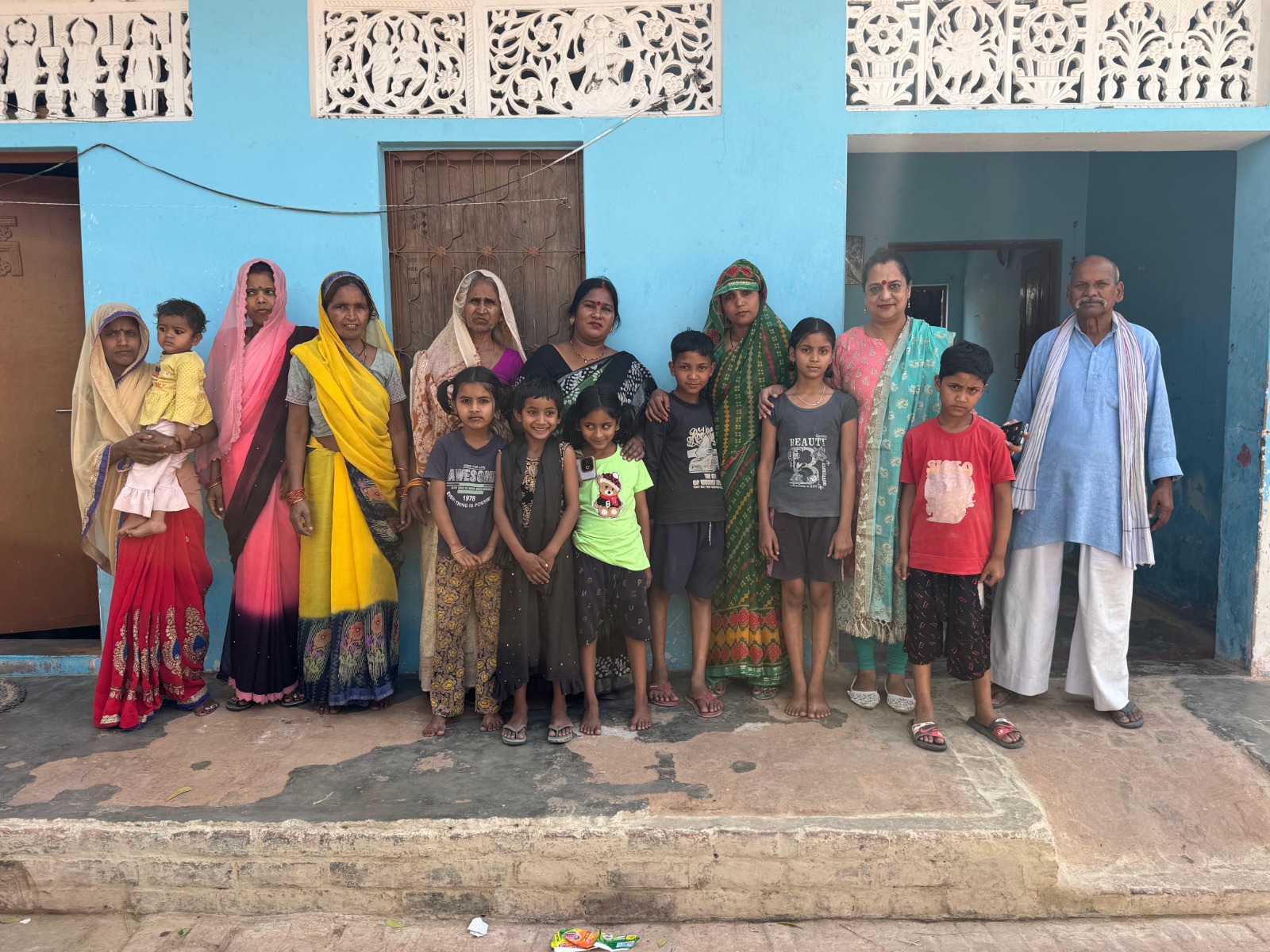
Women empowered directly and indirectly through sewing machine allocation, creating stable home-based livelihood opportunities.
I. When Effort Exists, But Opportunity Does Not
In many rural households across India, women work from dawn to night—cooking, cleaning, caring—yet remain economically invisible. Their labor sustains families, but it does not translate into income. According to the International Labour Organization, a significant proportion of rural women are engaged in unpaid domestic and agricultural work, with women spending 3–5 times more hours than men in unpaid activities.
Division of Rural Women's Work
A vast majority of rural women's labor goes unpaid and unrecorded, leaving them financially dependent.
- No independent income stream: Despite long working hours, there is no direct earning. In rural India, nearly 60–70% of women’s work is unpaid, resulting in ₹0 personal income, no savings, and no financial safety net.
- Dependence that limits voice: Financial reliance on husbands or male family members remains high, with over 70% of rural women lacking independent financial access. The UN Women links this dependence to significantly lower participation in household decisions.
- Untapped potential due to lack of skills: Only about 12–15% of Indian women receive formal skill training (National Skill Development Corporation), leaving a large majority unable to access income-generating work.
- Loss of dignity and confidence: Persistent economic dependence reduces self-worth over time, especially when effort does not translate into measurable outcomes.
II. A Simple Tool That Changes the Equation
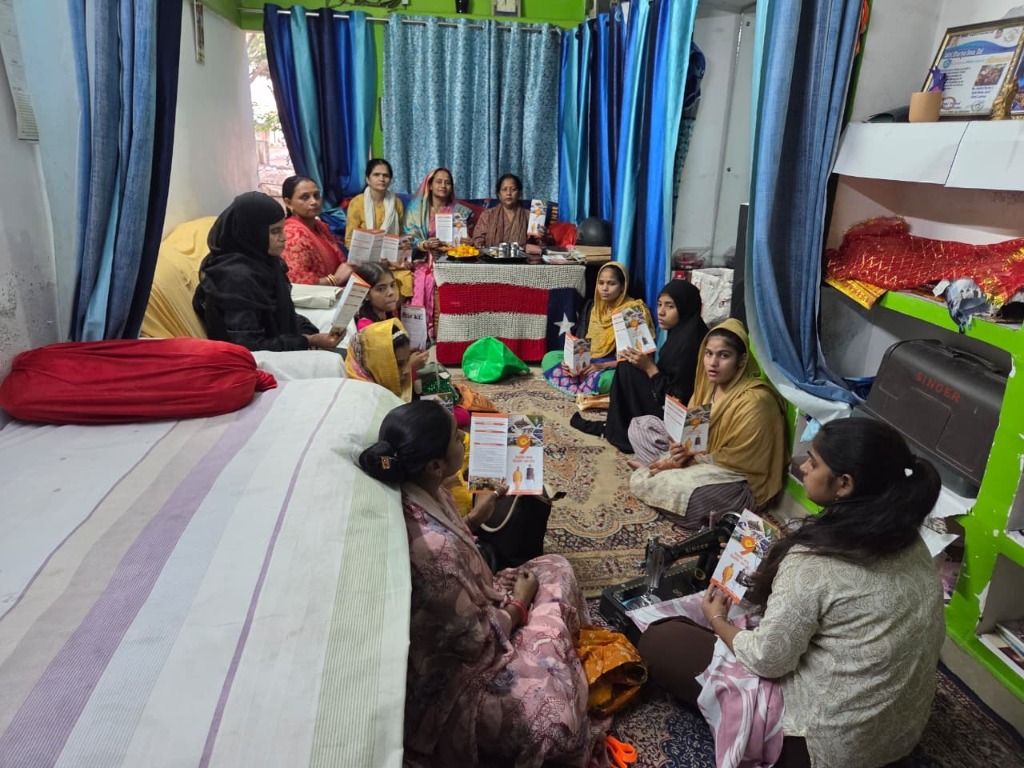
Our trust has given 2000+ Sewing machines which has impacted over 7000+ women directly and indirectly. A sewing machine is not just a device—it is an entry point into economic participation. It transforms homes into small production units and time into tangible value, with a one-time investment of approximately ₹6,000–₹10,000.
- Accessible and low-barrier livelihood: Requires minimal capital and no formal education; training can be completed within 3–6 months.
- Work with dignity, from within the home: Eliminates travel and safety constraints, especially relevant in rural settings.
- Immediate applicability: Rural demand for tailoring (uniforms, daily wear, repairs) ensures quick income generation, often within weeks of training.
III. When Income Begins, Change Follows
The moment a woman earns her first income, the shift is not only financial—it is measurable and structural.
- A steady source of income: A sewing machine can generate ₹3,000–₹10,000 per month, translating to ₹36,000–₹1,20,000 annually. In rural households with average monthly incomes of ₹8,000–₹15,000 (National Rural Livelihoods Mission), this represents a 25–80% increase in total income.
- From dependence to self-reliance: Even contributing 20–40% of household income significantly increases a woman’s role in financial decisions, as observed by UN Women.
- Skill that grows with time: Women can scale from basic stitching to higher-value services (embroidery, boutique tailoring), increasing earnings by 30–50% over time, supported by skilling initiatives like Pradhan Mantri Kaushal Vikas Yojana.
- Support for the entire family: Women reinvest 70–90% of their income into household needs such as education, food, and healthcare (World Bank estimates), leading to improved living standards.
- Restored dignity and self-worth: Women with independent income are 2x more likely to participate in household and community decisions (UN Women), reflecting increased confidence and recognition.
- Breaking intergenerational cycles: Households with earning women show higher school enrollment rates for girls, contributing to long-term socio-economic mobility.
IV. Why This Intervention Matters at the Grassroots Level
In rural settings where formal employment opportunities are limited, small, scalable solutions are critical. Sewing machines create localized economic ecosystems—one woman’s work often leads to 2–5 additional women learning and earning within the same community.
This is not merely about providing equipment. It is about:
- Converting ₹0 income into sustainable monthly earnings
- Shifting households from 100% dependence to partial/independent income contribution
- Building resilience in families living on ₹8,000–₹15,000/month
- Creating decentralized micro-enterprises with high return on low investment
Over time, what begins as a single sewing machine can scale into a network of self-reliant women—each strengthening her household and collectively contributing to rural economic growth.
I. Geographic Isolation and Limited Livelihoods
In remote and forest-based regions of India, women face compounded barriers due to geographic isolation, weak market linkages, and limited infrastructure. Employment opportunities are sparse and often seasonal, restricting stable income generation.
- Restricted livelihood opportunities: Women in such areas have approximately 35–45% fewer income opportunities compared to non-remote rural regions, primarily due to lack of local industries and access to markets.
- Limited mobility and access: Poor transport and connectivity reduce access to jobs, training centers, and buyers, reinforcing economic exclusion.
- Dependence on irregular or seasonal work: Income sources such as minor forest produce or daily wage labor are often inconsistent, leading to unstable household earnings.
- Skill underutilization: Even when basic skills exist, absence of structured job work prevents consistent income generation.
II. Integrated Skill Development with Assured Work
Our initiative combines skill training with direct job work allocation, ensuring that women not only learn but also immediately apply their skills for income. Sewing machines are provided along with continuous work opportunities.
- Provision of tools + work: Sewing machines coupled with regular stitching assignments
- Localized employment model: Work brought to the community, reducing need for migration
- Continuous income flow: Moves beyond one-time training to sustained earning
III. Consistent Income and Inclusion
The integration of skill and employment leads to measurable improvements in income stability and economic participation.
- Improved earning consistency: Women experience an estimated 30–40% increase in income regularity, shifting from irregular wages to more predictable monthly earnings.
- Stable income generation: Monthly earnings typically range between ₹3,000–₹8,000, which is significant in remote areas with otherwise limited income options.
- Reduced dependency on seasonal work: Continuous job work decreases reliance on forest-based or daily wage activities, which are often uncertain.
- Enhanced economic participation: Women begin contributing 20–40% to household income, strengthening their role in financial decisions.
- Skill utilization and upgradation: Regular work improves efficiency and opens pathways to higher-value production over time.
IV. Why This Intervention Matters in Forest and Remote Areas
In geographically isolated regions, access—not just skill—is the primary constraint. This model addresses both simultaneously by ensuring that skills are directly linked to income opportunities.
- Reduces 35–45% livelihood gap in remote areas
- Converts training into actual earnings, avoiding skill underutilization
- Creates localized micro-economies within forest communities
- Minimizes migration by bringing work to the village
Comparative Impact:
- Without intervention: Irregular income, seasonal dependency, limited opportunities
- With intervention: Consistent earnings, improved stability, economic inclusion
Over time, this approach strengthens self-reliance, integrates remote populations into broader economic systems, and builds sustainable livelihood models within forest-based communities.
I. Asset Poverty and Economic Dependence
In many low-income households across India, women lack ownership of productive assets, which directly limits their ability to earn and participate in economic activities. This structural gap reinforces dependence and weakens their role in financial decision-making.
- Lack of asset ownership: A majority of marginalized women do not own income-generating assets (land, tools, equipment). Data from the National Family Health Survey (NFHS-5) indicates that only 30–40% of women report ownership (alone or jointly) of any assets, restricting independent income generation.
- High economic dependence: In low-income households, women often contribute unpaid labor but control 0–10% of financial resources, increasing reliance on male earners.
- Reduced bargaining power: Absence of personal income or assets limits participation in household financial decisions, reinforcing gender inequality, as observed by UN Women.
- Higher vulnerability to economic shocks: Without assets or savings, women are more exposed to risks such as income loss, health emergencies, or displacement.
II. Asset-Based Livelihood Support
Providing productive assets such as sewing machines creates a direct pathway to income generation. Unlike temporary aid, asset ownership enables continuous earning and long-term financial engagement.
- Provision of income-generating assets: Sewing machines costing approximately ₹6,000–₹10,000
- Localized livelihood creation: Enables home-based work aligned with rural demand
- Low entry barrier: Minimal education and infrastructure requirements
III. Financial Independence and Agency
Ownership of productive assets leads to measurable improvements in income, stability, and decision-making power.
- Independent income generation: Women can earn ₹3,000–₹10,000 per month, translating to ₹36,000–₹1,20,000 annually, significantly improving financial autonomy.
- Reduction in dependency: Contribution of 20–40% to household income reduces reliance on primary earners and increases financial security.
- Improved decision-making power: Women with independent income are 2x more likely to participate in household financial decisions (UN Women).
- Enhanced economic resilience: Asset ownership provides a fallback mechanism during income shocks, reducing vulnerability.
- Intergenerational impact: Increased income leads to higher spending on children’s education and health, with women reinvesting 70–90% of earnings into family welfare (World Bank estimates).
IV. Why This Intervention Matters at the Grassroots Level
Asset-based empowerment addresses the root cause of financial exclusion—lack of ownership and earning capacity. It shifts women from passive contributors to active economic participants.
- Converts non-earning individuals into income generators
- Addresses 60–70% gap in access to productive assets among marginalized women
- Strengthens household financial stability and resilience
- Promotes long-term, sustainable economic inclusion
Comparative Impact:
- Without intervention: No asset ownership, high dependency, limited decision-making
- With intervention: Owned income source, increased earnings, stronger agency
Over time, asset ownership not only improves immediate income but also builds sustained financial independence, enabling marginalized women to participate more actively in both household and community economies.
I. Structural Barriers to Participation
Across rural and semi-urban regions of India, women’s participation in local economic systems remains constrained by entrenched social norms, mobility limitations, and unequal access to skills and resources. These factors collectively limit their integration into income-generating activities.
- Low female workforce participation: Female labor force participation remains around 25–30%, compared to 75%+ for men, as reported by the Periodic Labour Force Survey (PLFS), indicating a persistent gender gap.
- Mobility and social constraints: Cultural norms restrict women’s ability to travel for work, reducing access to markets, employment, and training opportunities.
- Limited access to skills and networks: Only 12–15% of women receive formal skill training (National Skill Development Corporation), limiting their participation in structured economic systems.
- Economic exclusion at community level: Women are often underrepresented in local trade, production, and decision-making networks, reinforcing inequality.
II. Enabling Inclusive, Localized Participation
Our initiatives promote home-based and community-linked livelihood opportunities through various activities like giving out sewing machines, financial help to widows, etc. enabling women to participate in economic activities without facing mobility or social barriers.
- Integration into local economic networks: Women contribute to production, services, and micro-enterprises
- Home-based work models: Reduce dependency on external employment structures
- Collective participation: Encourages group-based activities (SHGs, cooperatives)
III. Measurable Social and Economic Impact
Increased inclusion leads to improvements at both household and community levels.
- Higher economic participation: Women engaged in livelihood activities contribute 20–40% to household income, strengthening their economic role.
- Improved household welfare: Increased income leads to better spending on nutrition, education, and healthcare, with women reinvesting 70–90% of earnings into family needs (World Bank estimates).
- Enhanced educational outcomes: Households with earning women show higher school retention rates, particularly for girls, contributing to long-term human capital development.
- Strengthened community economies: Local production and services expand as more women participate, creating micro-economic clusters within villages.
- Greater social agency: Women involved in income generation are 2x more likely to participate in household and community decisions (UN Women).
IV. Why This Intervention Matters at the Grassroots Level
Gender inclusion at the community level is not only a social objective but an economic necessity. Increasing women’s participation directly impacts overall rural development.
- Addresses 25–30% female participation gap in the workforce
- Reduces exclusion caused by mobility and social barriers
- Strengthens local economies through diversified participation
- Creates long-term intergenerational benefits
Comparative Impact:
- Without intervention: Low participation, limited income contribution, persistent inequality
- With intervention: Active participation, increased income, improved social equity
Over time, integrating women into local economic systems builds more balanced, resilient communities, where growth is shared and development outcomes are significantly improved.
Promoting Education (including Special Education & Skill Development)
Attendance & Literacy Milestones
Students in targeted areas face travel distance-related barriers, contributing to irregular attendance and dropout risk.
Increase in daily school attendance and retention following distribution of bicycles, digital devices, and books.
Dropout Rate Trend (Secondary Education)
Year-on-year secondary school dropout rates in our targeted rural clusters showing a steep decline following our digital learning and transport interventions (2021 onwards).
I. Gaps in Infrastructure and Teaching Methods
In many government and low-income schools across India, classroom learning remains largely traditional, with limited access to digital tools and modern teaching methods. This restricts both teacher effectiveness and student engagement.
- Limited digital infrastructure: According to Unified District Information System for Education Plus (UDISE+), only about 35–40% of schools have functional digital infrastructure, leaving a majority without access to smart learning tools.
- Conventional teaching methods: Chalk-and-board teaching dominates, often making it difficult to explain complex or abstract concepts effectively.
- Low student engagement levels: Traditional methods result in reduced attention spans, particularly among younger students, impacting comprehension and retention.
- Urban–rural learning gap: Lack of digital exposure in rural schools widens the gap compared to private and urban institutions.
II. Digital Smart Classroom Integration
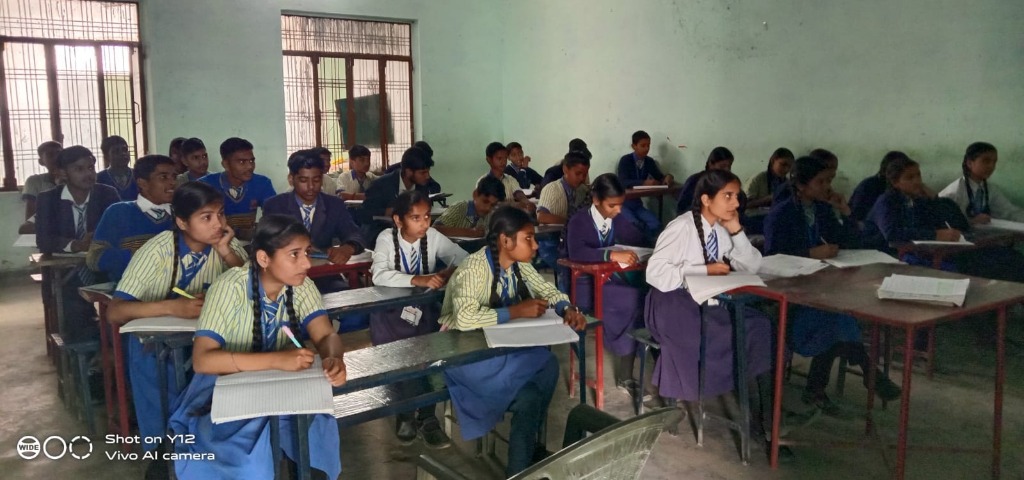
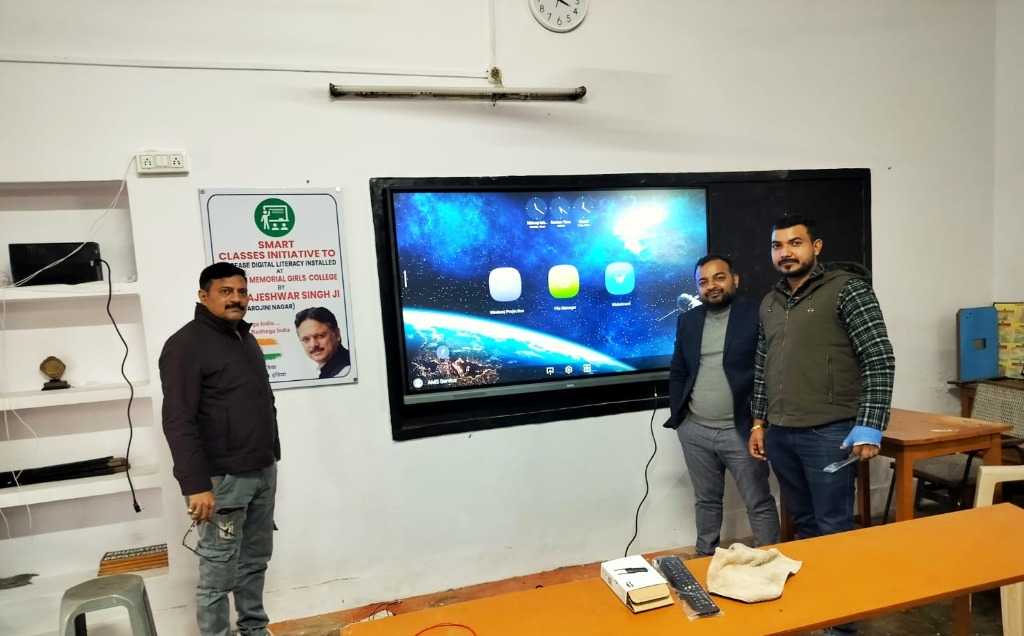
Our trust has conducted many Smart classes in many schools in and around Lucknow. Smart classes introduce digital boards, multimedia content, and interactive tools into classrooms, transforming the teaching-learning process.
- Installation of smart boards and projectors
- Use of audio-visual learning content
- Interactive teaching methods for better concept delivery
III. Improved Learning Outcomes
The integration of digital tools leads to measurable improvements in both engagement and academic performance.
- Increased student engagement: Digital classrooms improve attention and participation levels by approximately 25–35%, making lessons more interactive.
- Better concept understanding: Visual and audio explanations enhance comprehension, especially in subjects like science and mathematics.
- Higher retention rates: Students retain information more effectively through multimedia learning compared to traditional methods.
- Support for teachers: Digital tools simplify lesson delivery and enable more structured and efficient teaching.
- Bridging the digital divide: Students gain exposure to technology, preparing them for higher education and modern skill requirements.
IV. Why This Intervention Matters at the Grassroots Level
In underserved schools, smart classes act as a force multiplier for education quality, addressing both infrastructure and pedagogy gaps simultaneously.
- Addresses 60–65% gap in digital infrastructure availability
- Converts passive learning into interactive engagement
- Reduces urban–rural education disparity
- Enhances overall teaching efficiency and student outcomes
Comparative Impact:
- Without intervention: Low engagement, limited understanding, traditional methods
- With intervention: Interactive learning, improved retention, technology exposure
Over time, smart classrooms contribute to building a more equitable and future-ready education system, particularly in rural and low-income settings.
I. Unequal Access to Digital Learning
Across schools in India, there is a clear disparity in access to digital education between public and private institutions, particularly in rural and peri-urban regions. This gap directly affects the quality and consistency of learning outcomes.
- Digital infrastructure inequality: A gap of approximately 30–50% exists between schools in access to digital tools such as smart boards, computers, and e-learning content, with government schools significantly lagging (Unified District Information System for Education Plus - UDISE+).
- Variation in teaching quality: Private schools are more likely to integrate technology into teaching, while many public schools rely on traditional methods due to limited resources.
- Limited exposure to digital tools: Students in underserved schools often lack basic digital literacy, affecting their preparedness for higher education and modern job requirements.
- Inconsistent learning standards: Differences in access lead to uneven academic outcomes across school systems.
II. Standardized Digital Learning Integration
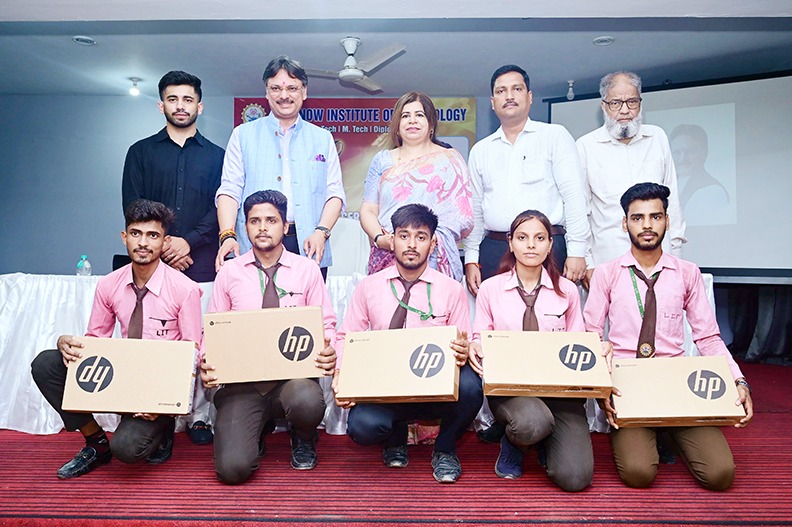
Our initiative focuses on implementing digital classroom systems across both public and private schools, ensuring uniform access to technology-enabled education.
- Deployment of digital learning tools: Smart boards, projectors, and e-content
- Uniform content delivery: Standardized digital curriculum across institutions
- Integration into daily teaching: Regular use of technology in classroom instruction
III. Consistent Learning and Digital Readiness
Standardized access to digital education produces measurable improvements in learning quality and student preparedness.
- Improved learning consistency: Uniform access reduces disparities, ensuring students across schools receive similar quality instruction.
- Enhanced digital exposure: Students gain practical familiarity with technology, improving digital literacy levels across both public and private systems.
- Better academic outcomes: Use of digital tools improves engagement and comprehension, contributing to 20–30% improvement in learning effectiveness.
- Reduced education inequality: Bridging the 30–50% infrastructure gap leads to more equitable learning environments.
- Future readiness: Early exposure to digital tools prepares students for higher education and technology-driven careers.
IV. Why This Intervention Matters at the System Level
Ensuring consistent access to digital education is critical for reducing structural inequalities within the education system.
- Addresses 30–50% gap in digital access across schools
- Standardizes teaching quality and learning resources
- Strengthens digital literacy at scale
- Supports long-term educational equity and workforce readiness
Comparative Impact:
- Without intervention: Unequal access, inconsistent outcomes, limited digital exposure
- With intervention: Standardized learning, improved consistency, enhanced digital readiness
Over time, integrating digital classes across both public and private schools helps create a more balanced education ecosystem, where access to quality learning is not determined by the type of institution.
I. Low Digital Literacy and Limited Employability
In many underserved and rural regions of India, youth face significant barriers in accessing digital education and employable skills. This gap restricts their ability to participate in modern, technology-driven job markets.
- Low digital literacy levels: Only about 20–30% of youth in such regions possess basic digital skills, as indicated by data from the National Sample Survey Office and the World Bank.
- Limited exposure to emerging technologies: Access to areas like artificial intelligence, online services, and digital platforms remains minimal, particularly outside urban centers.
- Mismatch between education and job market needs: Traditional education often does not equip students with practical, job-ready digital skills, leading to employability gaps.
- Restricted access to training infrastructure: Many rural areas lack affordable or accessible skill development centers, limiting opportunities for upskilling.
II. Establishment of RBS Training Centres
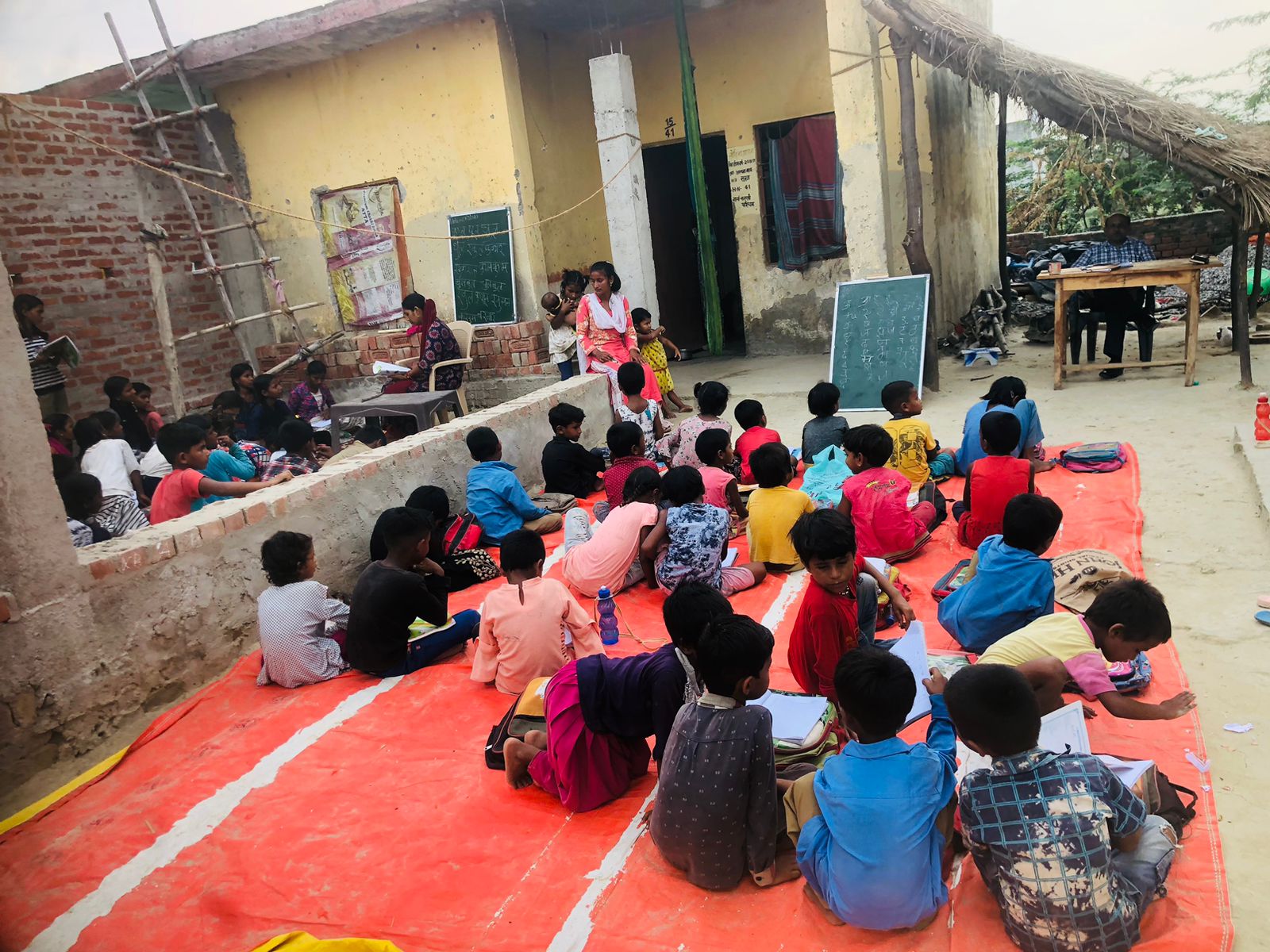
RBS Training Centres provide free, structured training in computer education, AI basics, and online service skills, enabling youth to acquire practical and market-relevant competencies.
- Computer literacy training: Basic to intermediate digital skills
- AI and emerging technology exposure: Introductory understanding of modern tools
- Online service skills: Form filling, e-governance services, digital transactions
- Free and accessible training model: Focus on economically weaker sections
III. Improved Employability and Income Opportunities
The provision of structured digital training leads to measurable improvements in skill readiness and employment potential.
- Enhanced job readiness: Training improves employability and digital capability by approximately 30–40%, enabling youth to qualify for entry-level roles and service-based work.
- Access to new income streams: Skills in online services allow individuals to generate income through digital facilitation (form filling, documentation, service centers).
- Increased digital participation: Trainees become active users of digital platforms, improving both personal and professional efficiency.
- Bridging the skill gap: Practical training reduces the mismatch between academic learning and industry requirements.
- Foundation for advanced learning: Exposure to AI and technology creates pathways for further specialization and career growth.
IV. Why This Intervention Matters at the Grassroots Level
In a rapidly digitizing economy, lack of digital skills directly translates into lost economic opportunities. RBS Training Centres act as critical enablers of inclusion in the digital economy.
- Addresses 70–80% gap in digital literacy among underserved youth
- Converts unskilled individuals into job-ready candidates
- Expands access to technology-driven income opportunities
- Strengthens local skill ecosystems in rural areas
Comparative Impact:
- Without intervention: Low digital skills, limited employability, restricted income options
- With intervention: Improved skills, higher job readiness, access to digital livelihoods
Over time, such training centres contribute to building a digitally सक्षम (empowered) workforce, enabling youth to participate more effectively in India’s evolving economic landscape.
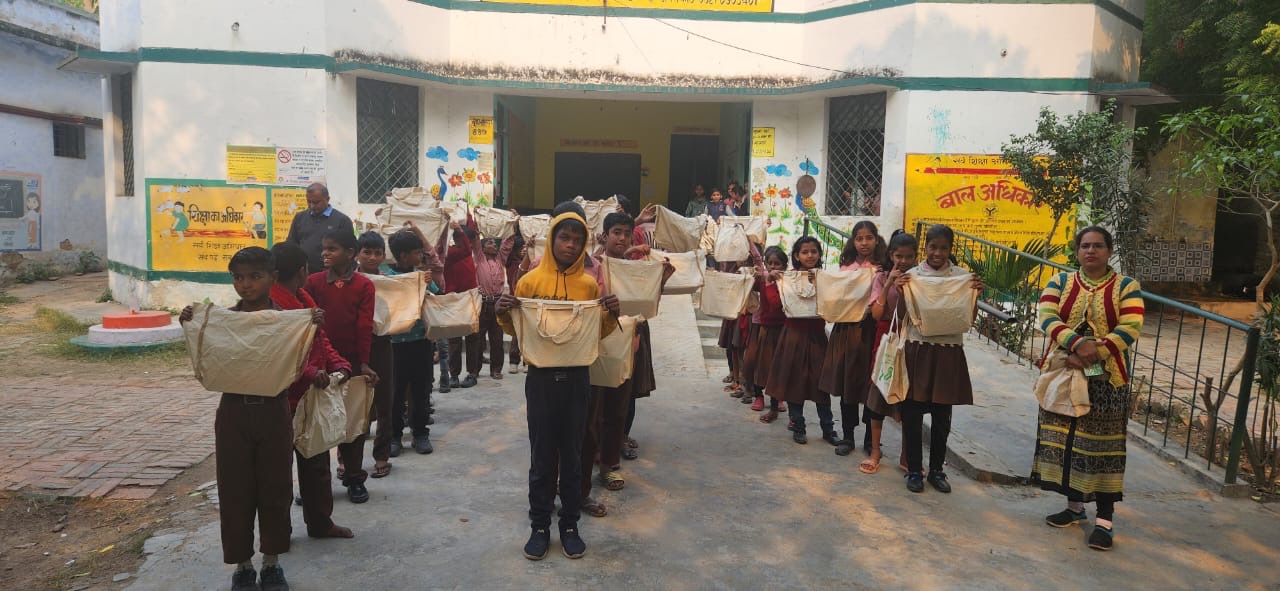
I. Basic Barriers to Participation
In many low-income households across India, access to even basic educational materials remains inconsistent. While schooling may be available, the lack of essential supplies creates a practical barrier to regular participation.
- Limited access to basic school materials: According to Annual Status of Education Report (ASER), approximately 25–35% of students in underserved areas lack consistent access to essentials such as school bags, notebooks, and stationery.
- Financial prioritization challenges: For families earning ₹8,000–₹15,000/month, spending on supplies is often secondary to food and daily needs, leading to incomplete school readiness.
- Impact on attendance and engagement: Students without proper materials are more likely to feel excluded or unprepared, resulting in irregular attendance and reduced classroom participation.
- Higher risk of early disengagement: Lack of basic resources contributes to reduced motivation and increased dropout risk, particularly in primary and upper primary levels.
II. Provision of Essential Educational Supplies
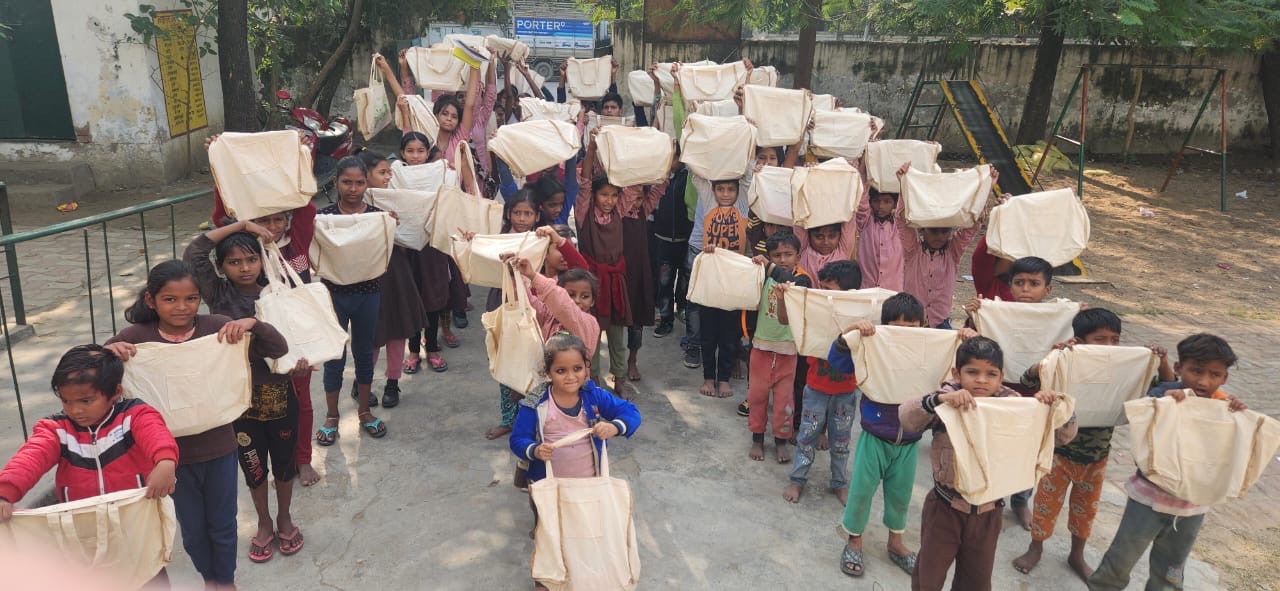
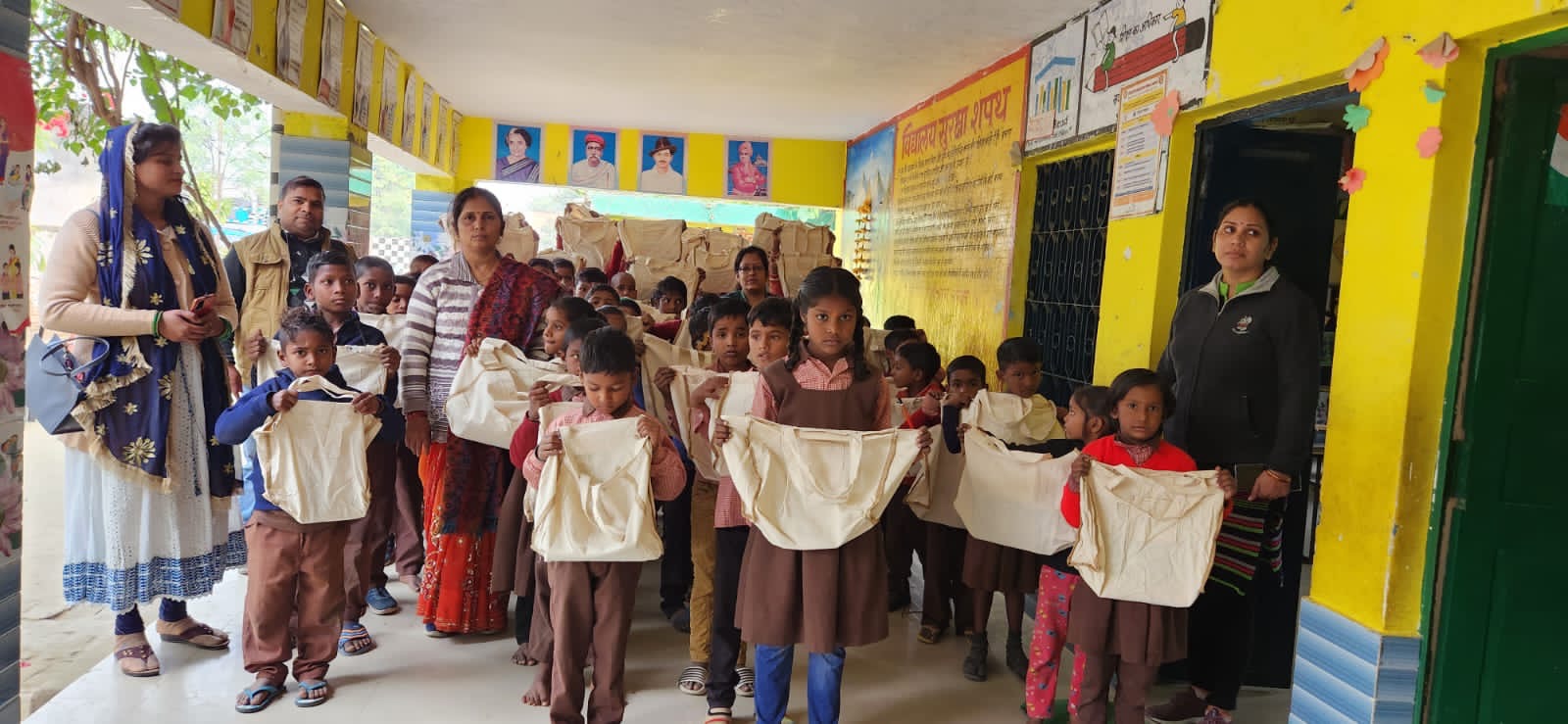
Our trust has conducted several programs which focus on the distribution of school bags, notebooks, stationery, and other basic learning materials, ensuring that students are fully equipped for daily academic activities.
- Direct distribution of supplies: Immediate usability for students
- Targeting economically weaker sections: Focus on high-need households
- Low-cost, high-impact support: Minimal investment with direct educational benefit
III. Improved Attendance and Learning Participation
Providing basic supplies leads to measurable improvements in student engagement and continuity.
- Increased school attendance: Access to necessary materials improves attendance and consistency by approximately 20–30%.
- Enhanced classroom participation: Equipped students are more likely to actively engage in lessons and complete assignments.
- Reduced entry-level barriers: Addressing the 25–35% gap in access ensures that students can participate on equal footing with peers.
- Improved learning continuity: Regular attendance and participation contribute to better academic progression.
- Boost in student confidence: Having proper supplies reduces stigma and enhances a sense of belonging in the classroom environment.
IV. Why This Intervention Matters at the Grassroots Level
Basic educational resources are foundational—not supplementary—to effective learning. Without them, access to schooling does not translate into meaningful education.
- Addresses 25–35% gap in basic school readiness
- Converts irregular attendance into consistent participation
- Reduces dropout and disengagement risks
- Strengthens equity in classroom environments
Comparative Impact:
- Without support: Irregular attendance, low participation, higher dropout risk
- With support: Consistent attendance, active engagement, improved learning continuity
Over time, ensuring access to basic supplies helps create a more inclusive education system, where every student has the minimum resources required to learn and progress effectively.
I. Practical Barriers to Daily Attendance
In many underserved regions of India, school access is not only about enrollment but also about the ability to attend consistently under everyday conditions. Small logistical challenges often accumulate into irregular attendance.
- Environmental and travel-related constraints: An estimated 20–30% of students face barriers such as long walking distances, extreme heat, monsoon conditions, or lack of basic daily-use items, affecting regular attendance.
- Lack of essential daily items: Absence of tiffin boxes and water bottles impacts nutrition and hydration during school hours, especially where mid-day meal access is inconsistent.
- Weather-related disruptions: Without umbrellas or protective gear, attendance drops during heavy rains or extreme sunlight, particularly in rural and peri-urban areas.
- Cumulative impact on participation: These seemingly minor gaps contribute to irregular attendance, reduced concentration, and gradual disengagement from schooling.
II. Provision of Daily-Use Student Support Items
Our trust has took the initiative focused on distributing 6200+ tiffin boxes, water bottles, and umbrellas to ensure that students are equipped for daily school routines and environmental conditions.
- Direct provision of essential items: Immediate usability for students
- Focus on high-need groups: Targeting low-income and rural students
- Support for daily attendance conditions: Addressing non-academic barriers
III. Improved Attendance Stability and Comfort
Providing these items results in measurable improvements in consistency and student well-being.
- Improved attendance consistency: Reduction in minor barriers leads to more stable attendance patterns, particularly during adverse weather conditions.
- Better student comfort and focus: Access to food storage and hydration improves concentration and overall classroom engagement.
- Reduction in recurring dropout triggers: Addressing small but frequent obstacles prevents gradual disengagement from school.
- Enhanced resilience to environmental factors: Students are better equipped to manage heat, rain, and travel-related challenges.
- Support to overall school participation: Complements other educational interventions by ensuring students can attend regularly.
IV. Why This Intervention Matters at the Grassroots Level
While often overlooked, daily-use items play a critical role in ensuring consistent school attendance, especially in resource-constrained settings.
- Addresses 20–30% attendance barriers linked to environment and logistics
- Converts irregular attendance into stable participation
- Reduces dropout risks caused by recurring minor challenges
- Enhances student comfort and readiness for learning
Comparative Impact:
- Without support: Frequent attendance disruptions, discomfort, gradual disengagement
- With support: Stable attendance, improved comfort, sustained participation
Over time, addressing these practical barriers strengthens overall educational continuity, ensuring that students remain engaged and present in the learning system.
I. Lack of Learning Spaces Beyond School
In many communities across India, especially in low-income and dense residential areas, students lack access to a quiet and structured environment for studying outside school hours. This directly affects learning continuity and academic performance.
- Absence of conducive study environments: According to trends from the Annual Status of Education Report (ASER), over 40% of students do not have a suitable space at home for focused study, particularly in households with limited living space.
- Limited access to books and learning materials: Many students rely solely on school textbooks, with little to no exposure to supplementary reading resources, reducing overall learning depth.
- Household constraints on study time: Shared spaces, household responsibilities, and lack of furniture (tables, chairs) reduce effective study hours and concentration levels.
- Reduced academic engagement outside school: Without structured environments, students often struggle to maintain regular study habits.
II. Community-Based Learning Infrastructure
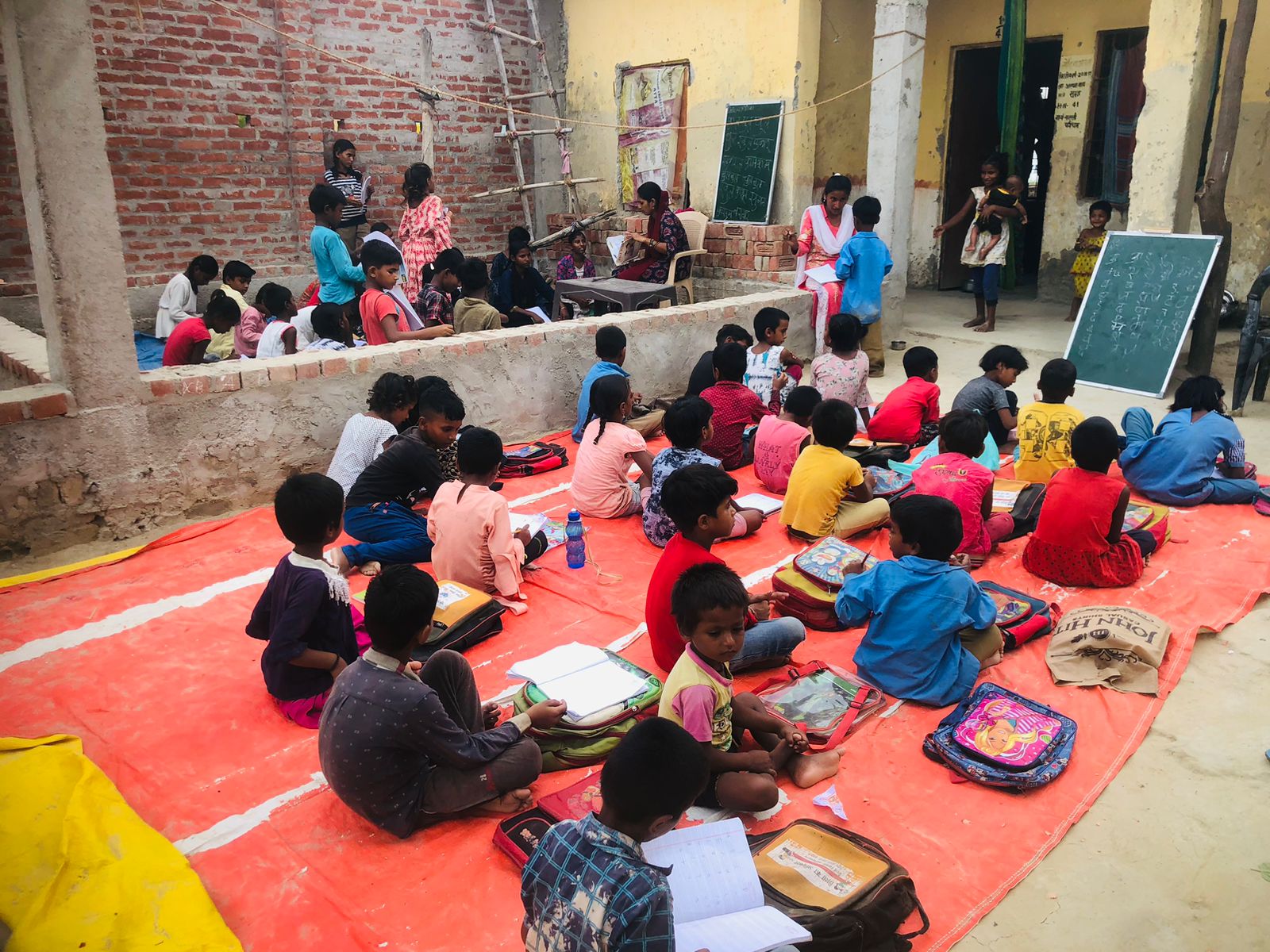
Our initiative focuses on creating local libraries and study spaces within RWAs (Resident Welfare Associations) and community areas repaired, maintained, funded and equipped with books, furniture, and basic infrastructure.
- Establishment of community libraries: Access to books and reading materials
- Provision of furniture: Tables, chairs, and structured seating arrangements
- Accessible study spaces: Located within residential areas for ease of use
III. Increased Study Time and Engagement
Access to dedicated learning environments leads to measurable improvements in student behavior and academic engagement.
- Increase in study hours: Availability of structured spaces increases effective study time by approximately 25–35%.
- Improved reading habits: Access to diverse books encourages regular reading and enhances comprehension skills.
- Better concentration and learning outcomes: Quiet and organized environments improve focus, leading to more productive study sessions.
- Support for continuous learning: Students are able to revise, complete homework, and prepare for exams more consistently.
- Community-level academic support: Shared spaces foster peer learning and collaborative study practices.
IV. Why This Intervention Matters at the Community Level
Learning does not end at school. Without proper study environments, classroom teaching alone is insufficient for academic progress. Community-based libraries address this critical gap.
- Addresses 40%+ gap in access to study infrastructure at home
- Converts irregular study patterns into consistent learning habits
- Enhances reading culture and academic engagement
- Creates localized education support systems within communities
Comparative Impact:
- Without intervention: Limited study space, low engagement, inconsistent learning
- With intervention: Structured study environment, increased study time, improved outcomes
Over time, such community learning spaces strengthen educational ecosystems at the grassroots level, enabling students to sustain and improve their academic performance beyond school hours.
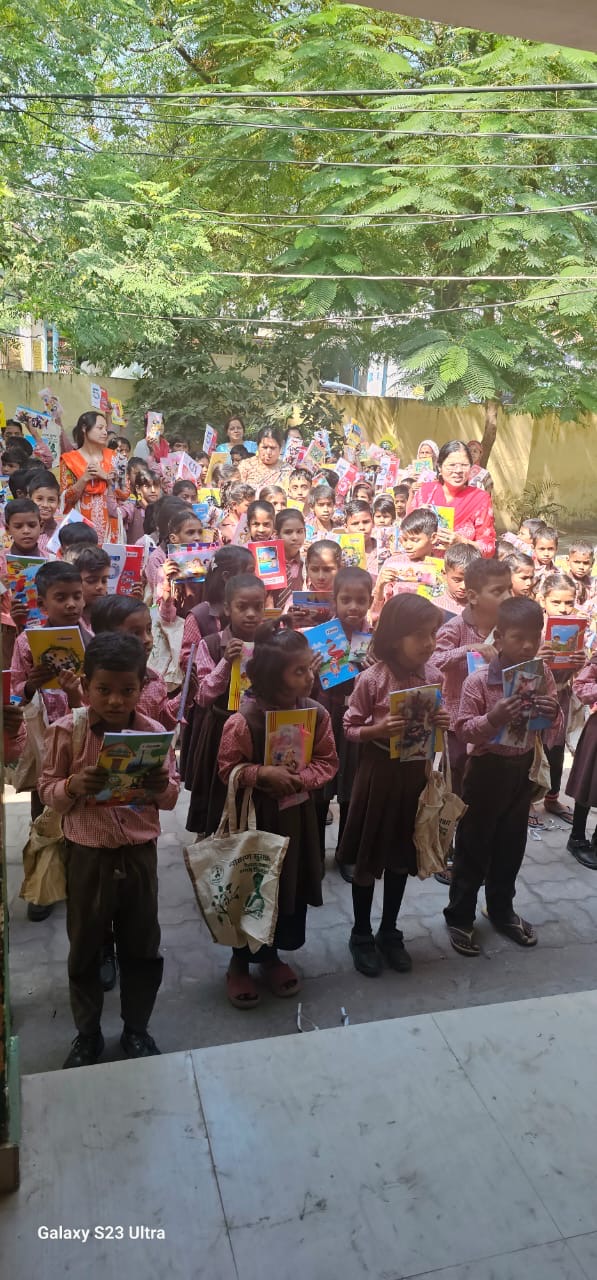
I. Inadequate Classroom Infrastructure
In many government and low-income schools across India, basic classroom infrastructure such as desks and seating remains insufficient. This directly affects the quality of the learning environment and student comfort.
- Lack of proper seating arrangements: Data from Unified District Information System for Education Plus (UDISE+) indicates that 20–30% of schools face shortages in functional desks, benches, or classroom furniture.
- Poor learning conditions: Students often sit on floors or overcrowded benches, leading to discomfort, poor posture, and reduced ability to focus during long school hours.
- Impact on attention and participation: Inadequate seating arrangements can reduce concentration levels and limit active engagement in classroom activities.
- Infrastructure gap in underserved areas: Rural and economically weaker regions are more affected due to limited funding and slower infrastructure development.
II. Provision of Essential Classroom Furniture
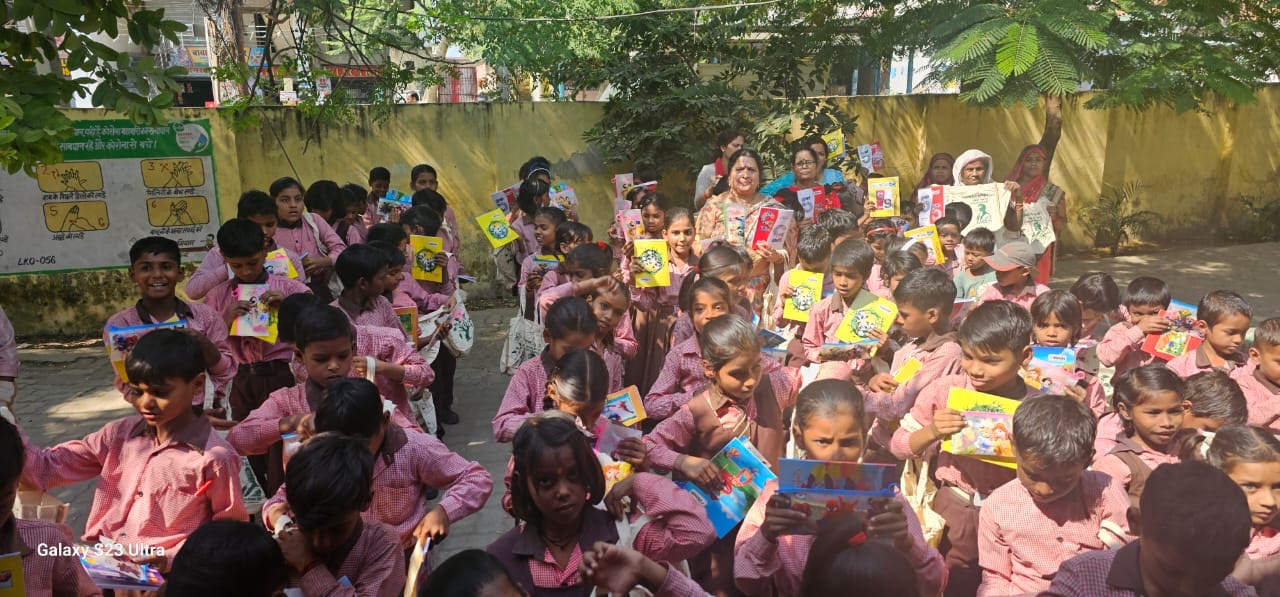
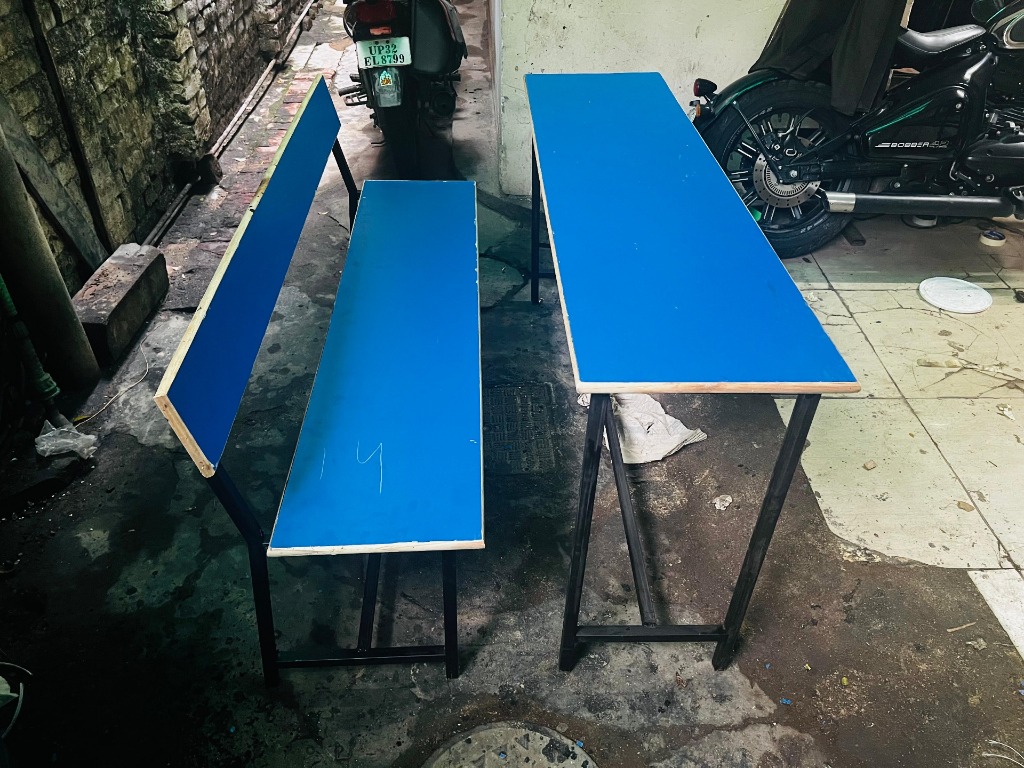
This initiative focuses on supplying several desks, tables, benches, and structured seating arrangements to schools lacking basic infrastructure.
- Direct installation of classroom furniture: Immediate usability
- Focus on under-resourced schools: Targeting high-need institutions
- Standardized seating arrangements: Improving classroom organization
III. Better Focus and Learning Efficiency
Improved classroom infrastructure leads to measurable improvements in student behavior and academic engagement.
- Enhanced concentration levels: Proper seating improves posture and comfort, leading to 15–25% improvement in attention and focus during lessons.
- Improved classroom discipline: Organized seating arrangements reduce disruptions and support better classroom management.
- Higher student participation: Comfortable environments encourage active engagement in learning activities.
- Reduced physical strain: Access to desks and benches minimizes fatigue and discomfort during long study hours.
- Support for effective teaching: Structured classrooms enable teachers to manage lessons more efficiently.
IV. Why This Intervention Matters at the Grassroots Level
Basic infrastructure is a fundamental requirement for effective education. Without it, even quality teaching cannot deliver optimal outcomes.
- Addresses 20–30% gap in classroom furniture availability
- Converts poor learning conditions into structured environments
- Improves student focus, comfort, and participation
- Strengthens overall classroom efficiency and discipline
Comparative Impact:
- Without intervention: Discomfort, low concentration, disorganized classrooms
- With intervention: Improved seating, better focus, structured learning environment
Over time, providing essential furniture enhances the overall quality of schooling, ensuring that students learn in environments that support both comfort and academic performance.
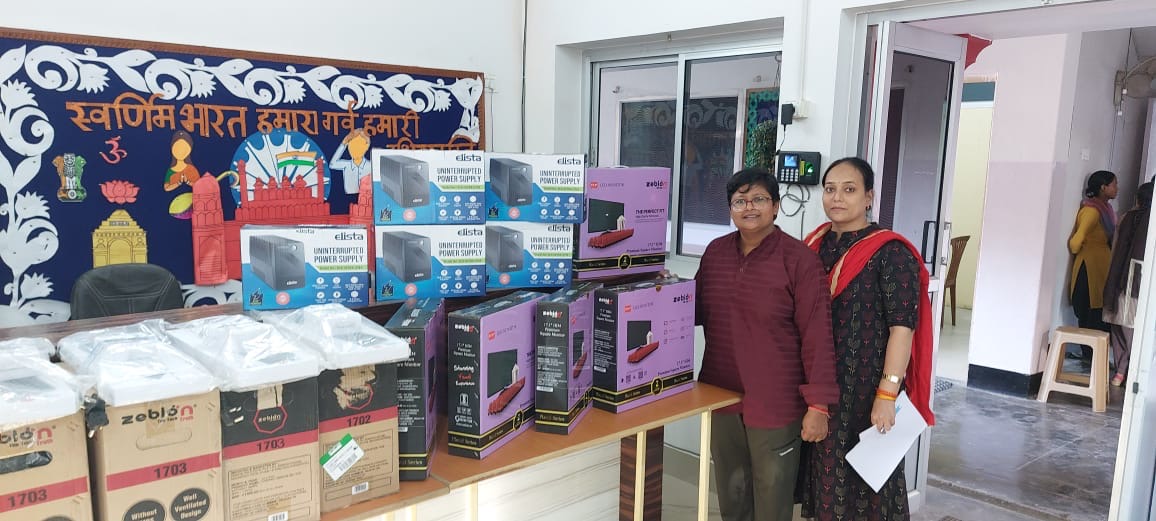
I. Capacity Constraints and Infrastructure Gaps
Across many government schools in India, infrastructure limitations directly constrain learning quality and access. Overcrowded classrooms and inadequate facilities reduce both teaching effectiveness and student comfort.
- Overcrowded classrooms: A significant number of schools operate beyond optimal capacity, with 30–40% infrastructure gaps in terms of classrooms and essential facilities (Unified District Information System for Education Plus - UDISE+).
- Insufficient sanitation and basic facilities: Lack of adequate toilets, drinking water, and basic infrastructure disproportionately affects attendance, particularly among girls, as highlighted by the Ministry of Education.
- Reduced teaching efficiency: High student-to-classroom ratios (often 40–60 students per class) limit individual attention and classroom management.
- Barrier to enrollment and retention: Poor infrastructure discourages consistent attendance and affects overall school functionality.
II. Construction and Infrastructure Development
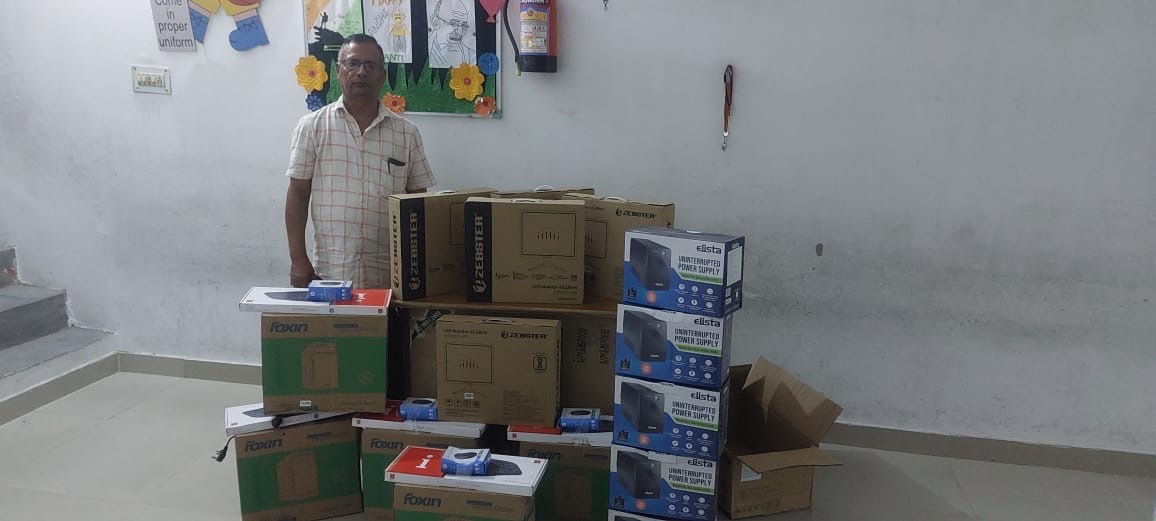
This initiative focuses on building additional classrooms, sanitation facilities, and essential school infrastructure to address capacity and usability gaps.
- Construction of new classrooms: Reducing student density
- Development of sanitation facilities: Toilets and water access
- Upgradation of basic infrastructure: Ensuring functional school environments
III. Improved Learning Conditions and Access
Infrastructure expansion leads to measurable improvements in both academic delivery and student experience.
- Reduction in overcrowding: Additional classrooms reduce class sizes by 20–30%, improving teacher-student interaction.
- Enhanced learning environment: Better space, ventilation, and facilities improve concentration and overall classroom experience.
- Improved attendance and retention: Availability of proper infrastructure, especially sanitation, contributes to 10–20% improvement in attendance, particularly among girls.
- Increased teaching effectiveness: Lower student density allows for more structured and interactive teaching.
- Better school functionality: Schools operate more efficiently with adequate infrastructure and space.
IV. Why This Intervention Matters at the System Level
Infrastructure is a foundational requirement for delivering quality education at scale. Without adequate physical capacity, improvements in curriculum or teaching methods have limited impact.
- Addresses 30–40% infrastructure gap in public schools
- Reduces overcrowding and improves learning conditions
- Enhances accessibility and student retention
- Strengthens overall school system efficiency
Comparative Impact:
- Without intervention: Overcrowded classrooms, limited facilities, reduced learning quality
- With intervention: Adequate space, improved facilities, enhanced learning environment
Over time, investment in school infrastructure ensures that public education systems can accommodate growing student populations while maintaining quality, accessibility, and sustainability.
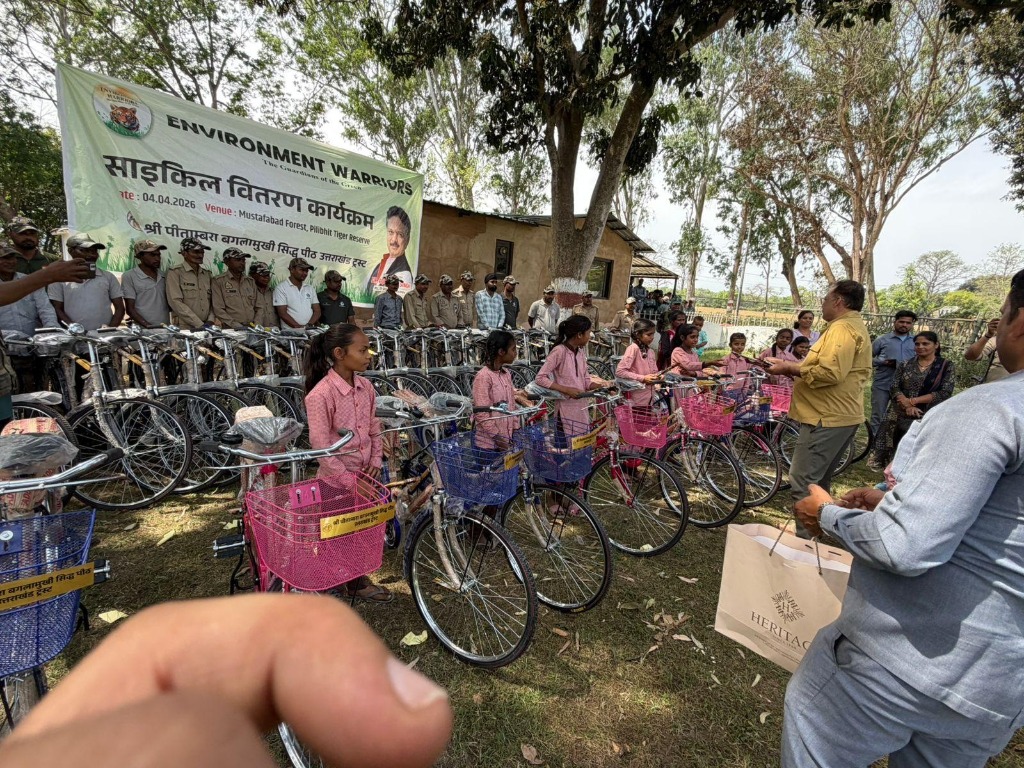
I. Distance as a Barrier to Education
In many rural and peri-urban regions of India, physical distance to schools remains a significant barrier to consistent attendance. Students often travel several kilometers daily, affecting both enrollment and retention.
- Long travel distances: Many students commute 3–8 km daily, often on foot, leading to fatigue and reduced study time.
- Distance-driven dropout risk: According to Annual Status of Education Report (ASER), approximately 20–30% of students are affected by distance-related challenges, contributing to irregular attendance and dropout, especially at secondary levels.
- Higher impact on girls: Safety concerns and travel difficulties disproportionately affect female students, increasing dropout rates after primary education.
- Time and energy constraints: Long commutes reduce time available for homework, rest, and extracurricular learning.
II. The Intervention — Distribution of Bicycles
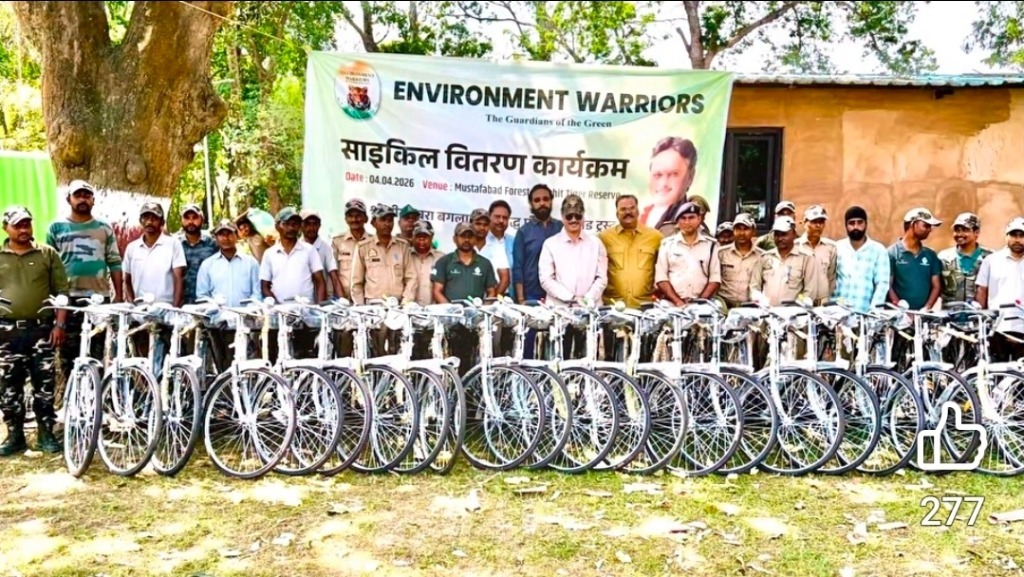
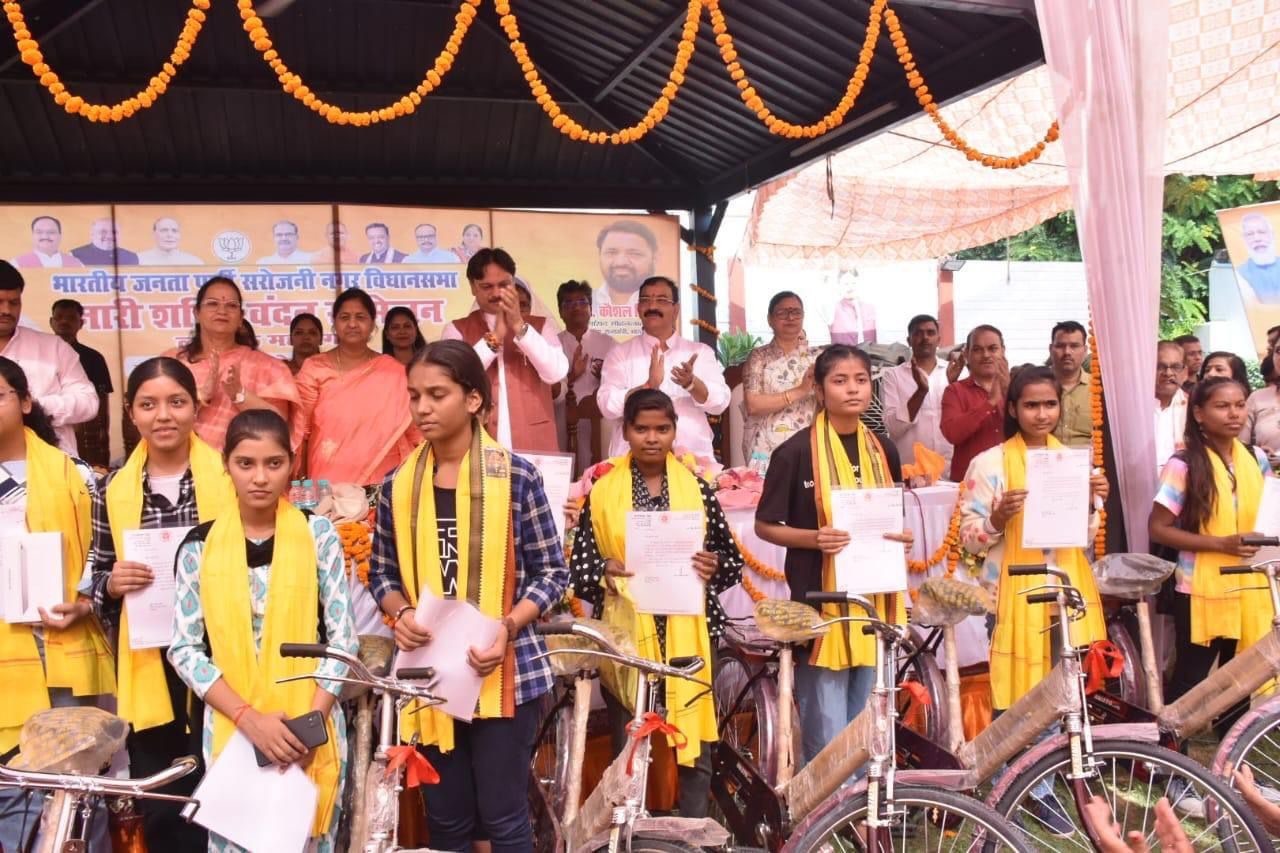
The initiative provides cycles (250+ distributed) to meritorious and high-need students, enabling easier and faster access to schools.
- Direct mobility support: Reduces travel time and effort
- Targeted distribution: Focus on students with long commute distances
- Low-cost, high-impact solution: One-time support with sustained benefits
III. Improved Attendance and Retention
Providing cycles leads to measurable improvements in participation and continuity in education.
- Increased attendance rates: Reduction in travel barriers improves attendance by approximately 25–40%.
- Lower dropout rates: Easier access to school reduces the likelihood of students discontinuing education, particularly at higher grade levels.
- Time savings: Travel time is reduced by 30–50%, allowing more time for study and rest.
- Improved safety and accessibility: Especially for girls, cycles provide safer and more reliable commuting options.
- Enhanced academic consistency: Regular attendance contributes to better learning continuity and performance.
IV. Why This Intervention Matters at the Grassroots Level
Physical access is a fundamental requirement for education. Without addressing distance barriers, enrollment alone does not ensure participation.
- Addresses 20–30% dropout risk linked to distance
- Converts long, exhausting commutes into manageable travel
- Improves attendance, retention, and academic continuity
- Supports equitable access, especially for girls
Comparative Impact:
- Without intervention: Long travel, irregular attendance, higher dropout risk
- With intervention: Reduced commute, consistent attendance, improved retention
Over time, cycle distribution acts as a simple yet effective enabler of educational access, ensuring that distance does not limit a student’s ability to continue schooling.
I. Digital Access Gap in Education
Across many schools and households in India, access to personal digital devices remains uneven, limiting students’ ability to participate in modern learning systems. This gap became more visible with the shift toward online and hybrid education.
- Limited access to digital devices: Data from Annual Status of Education Report (ASER) and Unified District Information System for Education Plus (UDISE+) indicates a 30–50% gap in access to devices such as laptops or tablets among students, particularly in rural and low-income groups.
- Interrupted learning continuity: Students without devices are unable to attend online classes, access digital content, or complete assignments effectively.
- Low digital literacy levels: Lack of hands-on exposure reduces familiarity with essential digital tools, impacting future academic and career readiness.
- Widening education inequality: Device access disparities create unequal learning opportunities between socio-economic groups.
II. Provision of Digital Devices
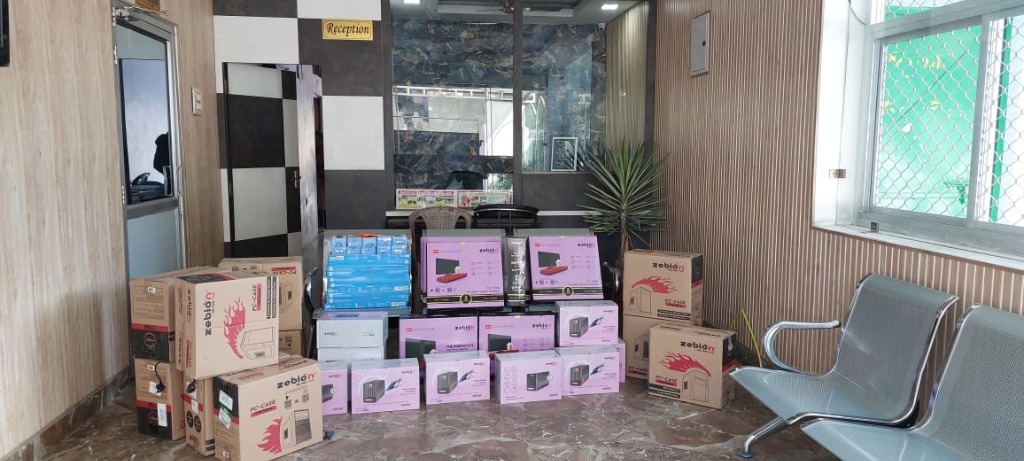
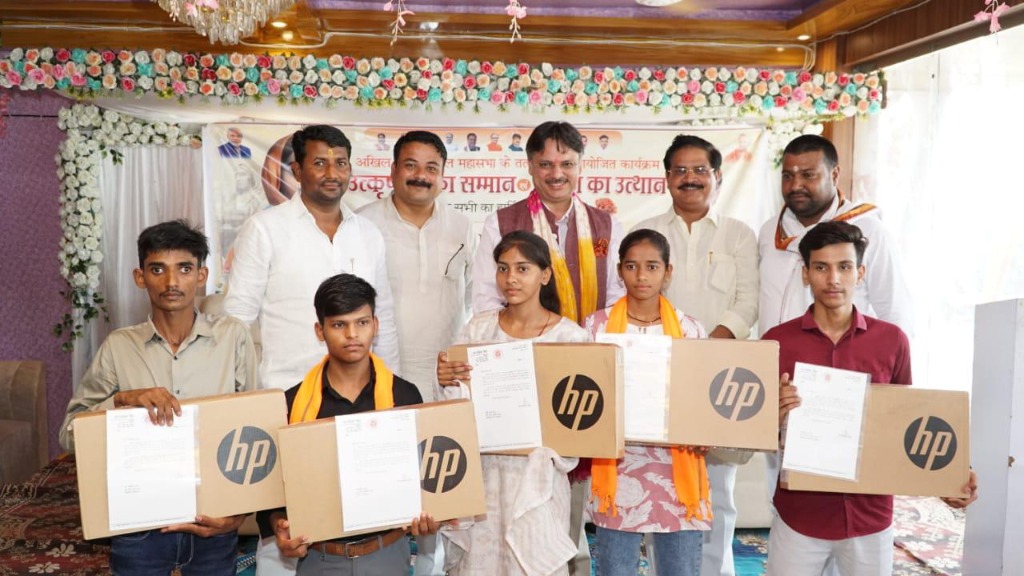
Our trust has distributed 150+ iPads and laptops to students, enabling direct access to digital learning platforms and resources.
- Direct device allocation: Personal access to learning tools
- Support for online and hybrid education: Participation in digital classrooms
- Access to educational content: E-books, lectures, and online resources
III. Improved Learning and Digital Capability
Providing devices results in measurable improvements in both academic performance and digital readiness.
- Enhanced student engagement: Digital access increases participation in learning activities, contributing to 30–40% improvement in engagement levels.
- Improved academic performance: Access to diverse learning resources supports better understanding and outcomes across subjects.
- Growth in digital literacy: Regular device usage builds essential skills in computing, research, and online communication.
- Continuity in learning: Students can access lessons anytime, reducing dependency on physical classrooms alone.
- Preparation for future opportunities: Digital familiarity improves readiness for higher education and technology-driven careers.
IV. Why This Intervention Matters at the System Level
In an increasingly digital education ecosystem, access to devices is no longer optional—it is essential for equitable learning.
- Addresses 30–50% gap in device accessibility
- Enables participation in digital and hybrid learning models
- Strengthens digital literacy at the student level
- Reduces education inequality across socio-economic groups
Comparative Impact:
- Without intervention: Limited access, disrupted learning, low digital skills
- With intervention: Full participation, improved performance, enhanced digital readiness
Over time, providing iPads and laptops helps integrate students into the digital education ecosystem, ensuring that technological access does not become a barrier to academic growth.
Ensuring Environmental Sustainability
Sustainability Transformation
Decline in forest water source availability during harsh summer months, creating severe dehydration and migration stress for wildlife.
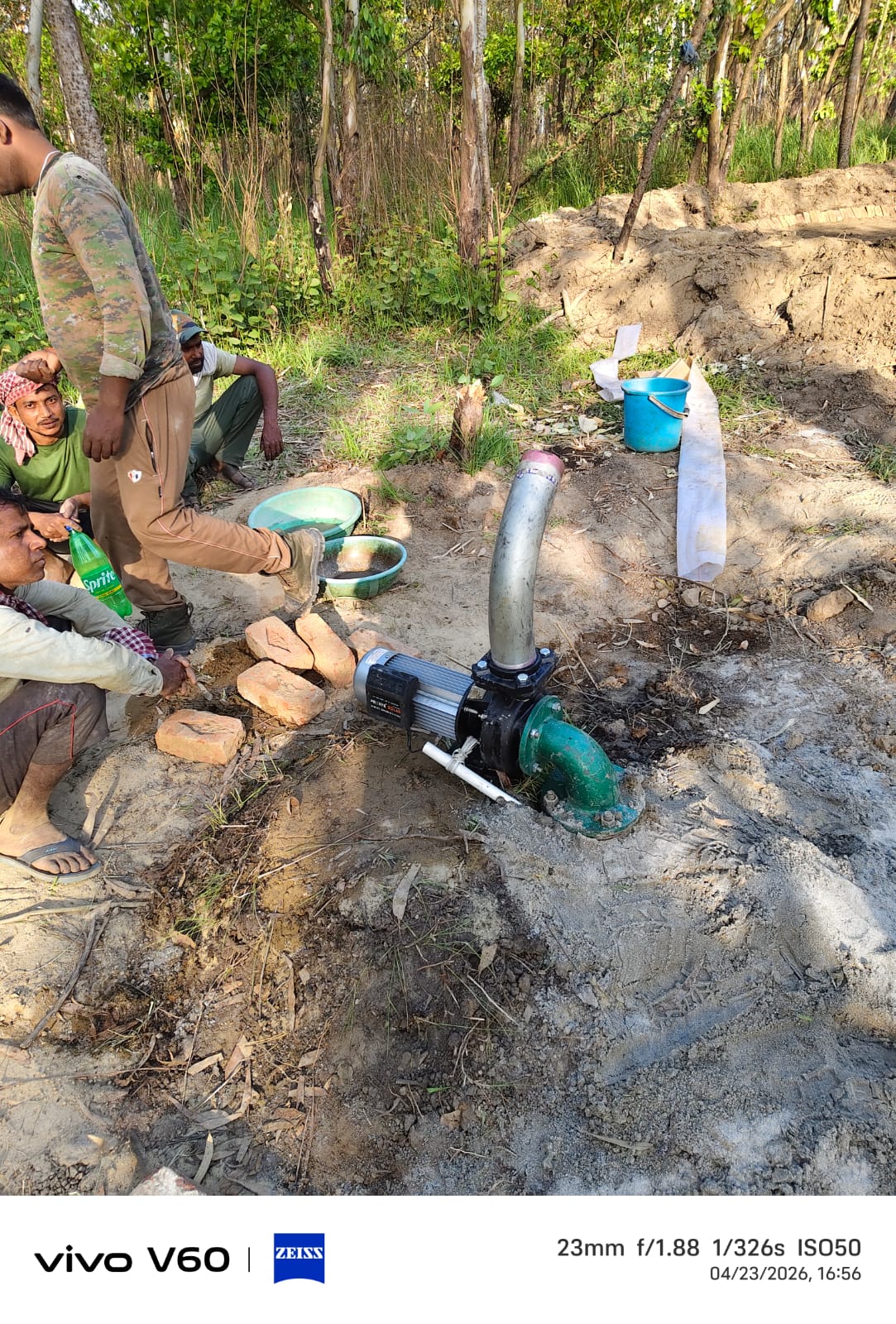
Solar pumps, lights, and tube wells deployed in core forest zones and public spaces for sustainable, off-grid utilities.
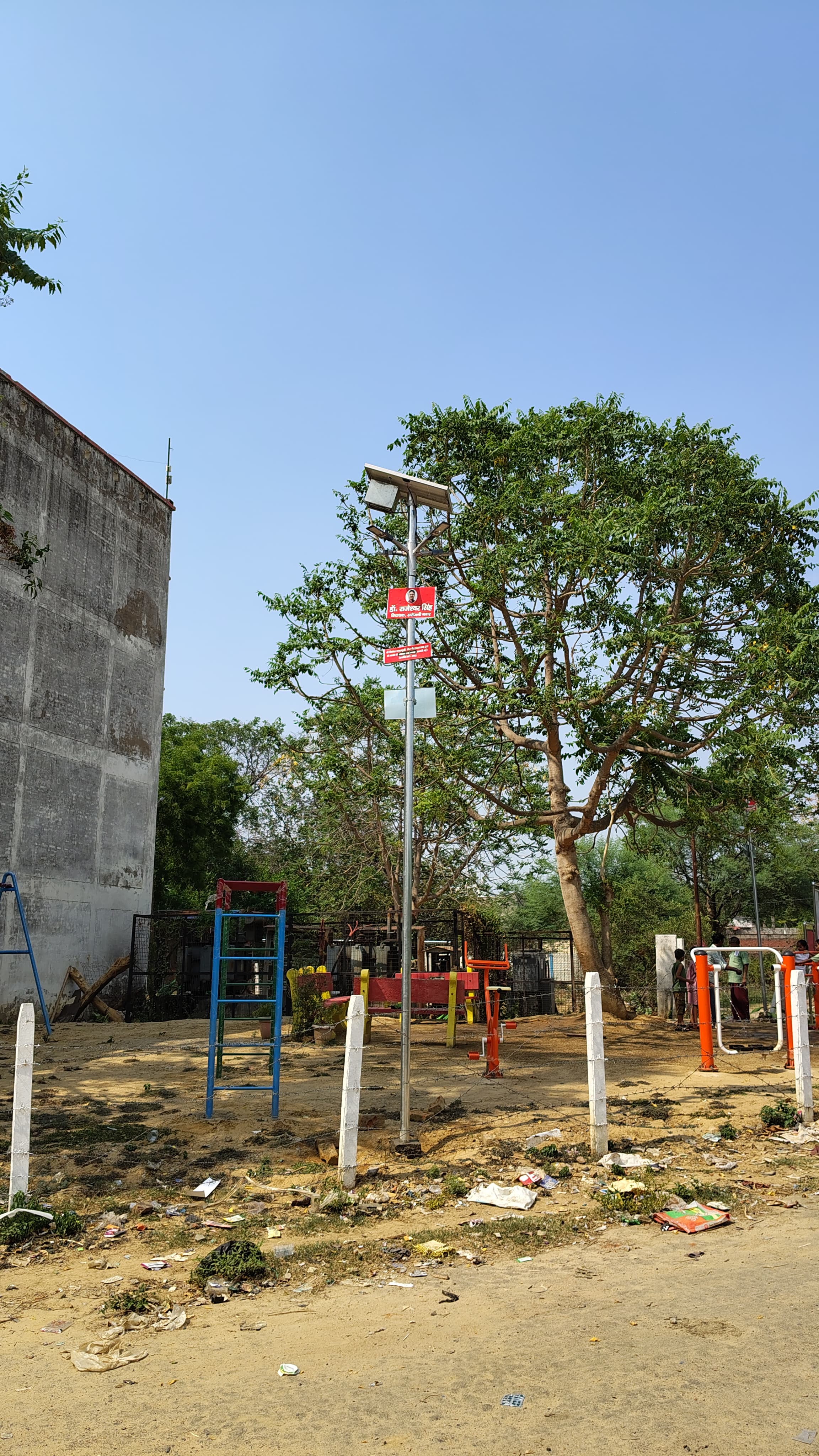
I. Energy Gaps and Unreliable Supply
In many peri-urban and rural regions across India, access to reliable electricity remains inconsistent, particularly in public spaces and institutions such as schools, community centers, and streets.
- Inconsistent power supply: Many areas experience 30–40% irregularity in electricity availability, leading to frequent outages and disruptions in daily activities.
- High dependence on conventional energy: Public infrastructure largely relies on grid electricity, which is often unreliable and dependent on fossil fuels.
- Limited access in public spaces: Streets, community areas, and institutions often lack adequate lighting or backup systems, affecting safety and usability.
- Rising energy costs: Increasing electricity tariffs create financial strain on institutions operating with limited budgets.
II. Solar-Based Energy Systems
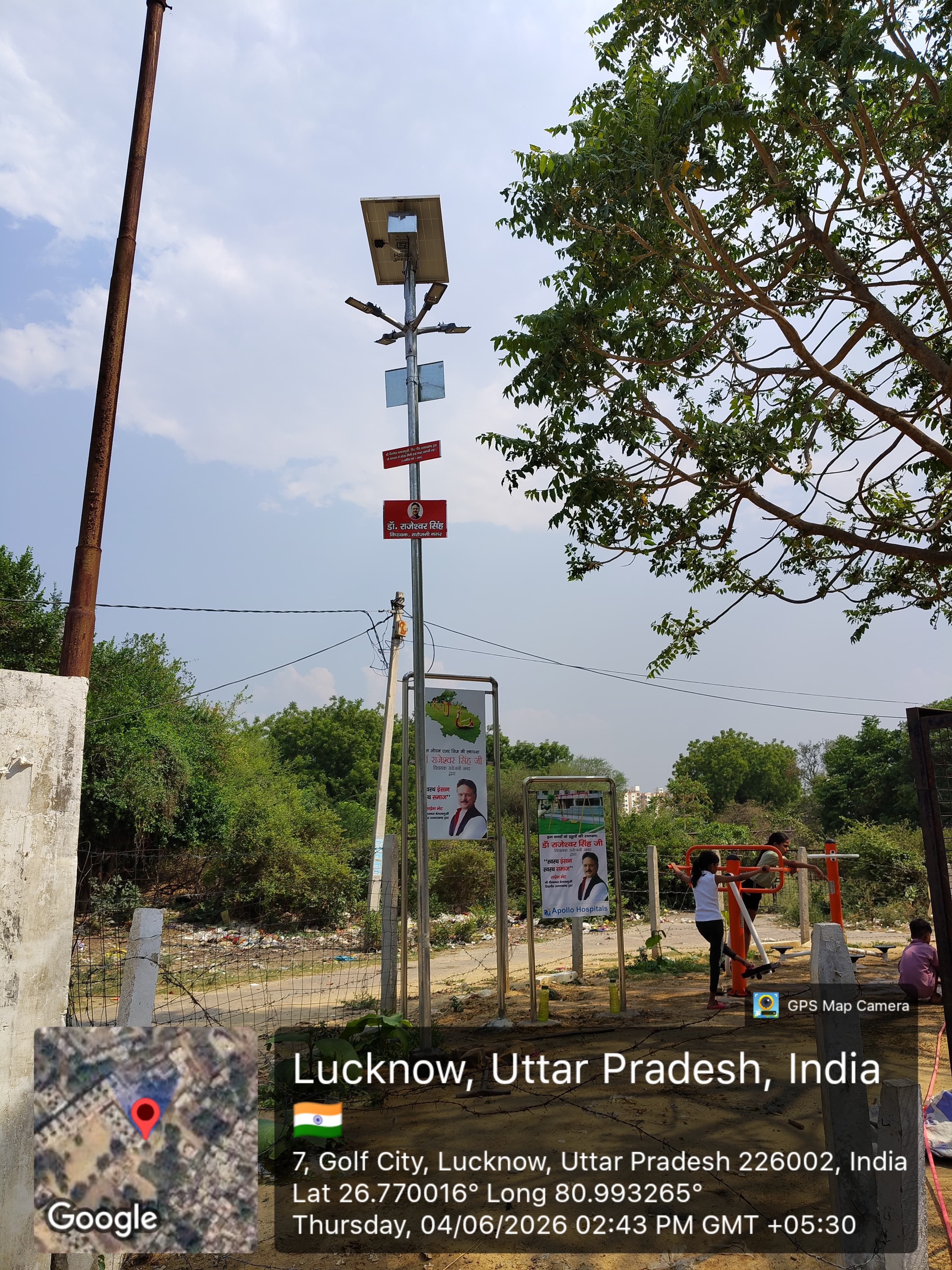
The initiative focuses on installing 300+ solar lighting and energy systems in public areas and institutions to ensure sustainable and uninterrupted power supply.
This aligns with renewable energy promotion under Ministry of New and Renewable Energy and national programs like National Solar Mission.
- Installation of solar lights and panels: For streets, schools, and community spaces
- Off-grid energy solutions: Reducing reliance on conventional electricity
- Low-maintenance systems: Suitable for long-term rural deployment
III. Cost Reduction and Sustainable Energy Access
Solar installations lead to measurable improvements in reliability, cost efficiency, and environmental impact.
- Improved energy reliability: Provides consistent power supply even during grid outages, ensuring uninterrupted functionality of public spaces.
- Reduction in energy costs: Solar systems can lower electricity expenses by 40–60% over time, especially for institutions with recurring energy needs.
- Decreased carbon dependency: Transition to solar reduces reliance on fossil fuels, contributing to lower emissions and environmental sustainability.
- Enhanced usability of public spaces: Improved lighting increases safety, accessibility, and community usage, particularly during evening hours.
- Long-term operational efficiency: Once installed, solar systems require minimal recurring costs, making them financially sustainable.
IV. Why This Intervention Matters at the Grassroots Level
Energy access is a foundational requirement for development. In areas with unreliable supply, decentralized solar solutions provide a scalable and sustainable alternative.
- Addresses 30–40% gap in reliable electricity access
- Reduces dependence on conventional and costly energy sources
- Enhances safety and usability of public infrastructure
- Supports clean energy transition at the local level
Comparative Impact:
- Without intervention: Frequent outages, high costs, limited usability
- With intervention: Reliable power, reduced costs, sustainable energy use
Over time, solar installations contribute to building energy-resilient communities while supporting India’s transition toward cleaner and more sustainable energy systems.
I. Seasonal Water Scarcity in Forest Ecosystems
In forest regions across India, natural water sources such as ponds and streams are highly dependent on seasonal rainfall. During summer months, these sources often dry up, creating stress on wildlife and ecological balance.
- Significant seasonal water reduction: Forest areas experience approximately 40–60% decline in natural water availability during peak summer periods.
- Impact on wildlife survival: Limited water access forces animals to travel long distances, increasing risks of dehydration, conflict, and mortality.
- Dependence on inconsistent natural sources: Rain-fed water bodies are unreliable, particularly in drought-prone zones.
- Ecological imbalance risks: Water scarcity disrupts feeding patterns, migration, and biodiversity stability within forest ecosystems.
II. Solar-Powered Water Pump Systems
The initiative involves deploying several solar-powered pumps to ensure continuous water availability in forest areas, especially during dry periods.
- Installation of solar pumps: Drawing water from borewells or reservoirs
- Off-grid functionality: Operates independently of electricity infrastructure
- Sustainable water supply systems: Designed for long-term ecological support
III. Improved Water Access and Ecosystem Stability
Solar pumps provide measurable benefits in maintaining ecological balance and supporting wildlife.
- Consistent water availability: Ensures year-round access to water, reducing seasonal dependency and stabilizing supply.
- Reduced stress on wildlife: Availability of nearby water sources decreases long-distance movement and associated risks.
- Improved survival rates: Reliable hydration sources contribute to better health and survival of animal populations.
- Support for biodiversity: Stable water access helps maintain ecological balance and supports multiple species within the habitat.
- Low environmental impact: Solar-powered systems operate without emissions, aligning with conservation goals.
IV. Why This Intervention Matters in Forest Ecosystems
Water availability is a critical determinant of ecosystem stability. In forest areas lacking infrastructure, solar pumps provide a sustainable and reliable solution.
- Addresses 40–60% seasonal water scarcity
- Reduces wildlife stress and migration risks
- Supports biodiversity conservation and ecological balance
- Provides off-grid, low-impact water solutions
Comparative Impact:
- Without intervention: Seasonal water scarcity, high wildlife stress, ecological imbalance
- With intervention: Stable water supply, improved survival, balanced ecosystem
Over time, solar pumps strengthen the resilience of forest ecosystems, ensuring that water scarcity does not disrupt wildlife survival and environmental sustainability.
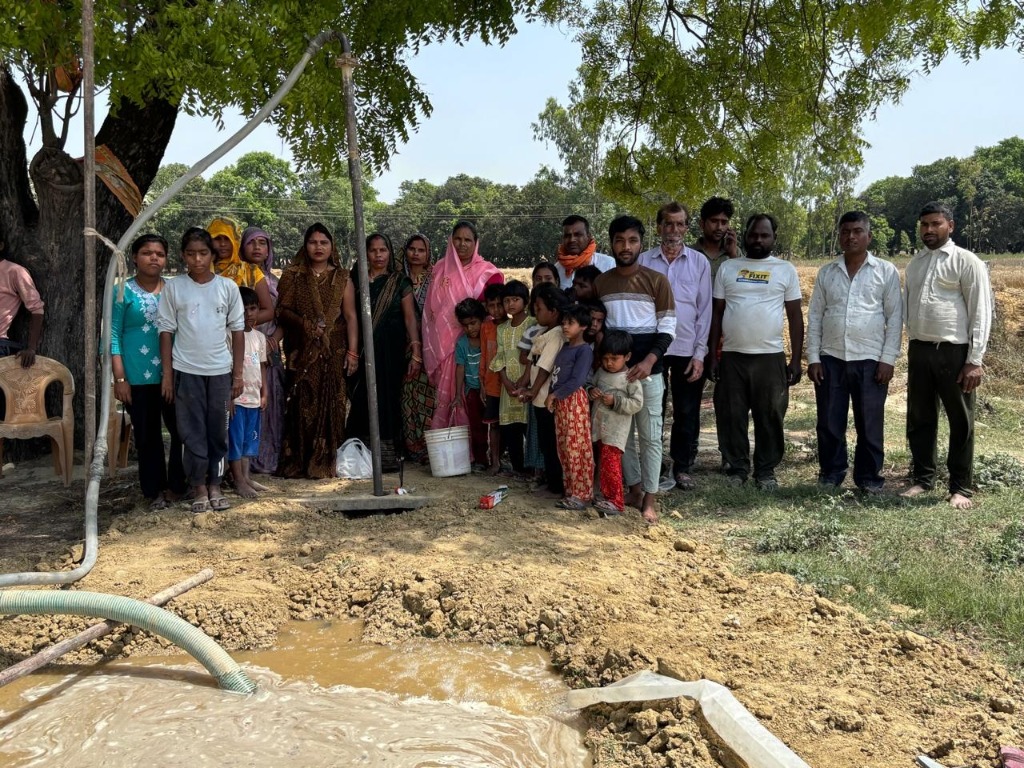
I. Lack of Water Infrastructure in Remote Forest Zones
In core forest regions of India, access to water infrastructure is extremely limited due to remoteness, lack of grid connectivity, and environmental restrictions. This creates critical gaps in water availability for both wildlife and ecosystem sustainability.
- Absence of grid-based infrastructure: Many core forest zones operate with 0% access to conventional electricity, making it difficult to install or run standard water systems.
- Severe water access gaps: Remote areas often lack permanent water sources, particularly during dry seasons, leading to 40–60% reduction in available water.
- Logistical and accessibility constraints: Difficult terrain and restricted human intervention limit the feasibility of traditional infrastructure development.
- Impact on ecological balance: Irregular water supply affects wildlife movement, habitat stability, and overall biodiversity.
II. Solar-Powered Tube Wells
The initiative focuses on installing solar-powered tube wells to provide reliable, off-grid water access in deep forest areas without disturbing the ecosystem.
- Off-grid water extraction systems: Powered entirely by solar energy
- Minimal environmental disruption: Suitable for protected forest zones
- Low-maintenance infrastructure: Designed for long-term use in remote areas
III. Reliable and Sustainable Water Access
Solar tube wells create measurable improvements in water availability and ecosystem support.
- Continuous water supply: Ensures year-round availability, reducing dependence on seasonal water sources.
- Reduced ecological stress: Stable water access minimizes wildlife migration and habitat disruption.
- Improved resource efficiency: Solar systems eliminate fuel or electricity dependency, lowering operational costs by 50–70% over time.
- Support for biodiversity: Consistent water sources help sustain multiple species and maintain ecological balance.
- Long-term sustainability: Renewable energy integration ensures minimal environmental impact and long operational life.
IV. Why This Intervention Matters in Core Forest Areas
In remote ecosystems where conventional infrastructure is not viable, solar tube wells provide a critical, sustainable alternative for water access.
- Addresses 0% grid access and major infrastructure gaps
- Reduces 40–60% seasonal water scarcity impact
- Supports wildlife conservation and habitat stability
- Ensures low-impact, long-term resource sustainability
Comparative Impact:
- Without intervention: Severe water scarcity, ecological stress, infrastructure limitations
- With intervention: Reliable water access, stable ecosystems, sustainable resource use
Over time, solar tube wells strengthen conservation efforts by ensuring that even the most remote forest areas have access to essential water resources without compromising environmental integrity.

Enhancing mobility for environmental protection. Lack of transport reduces monitoring effectiveness by ~30–40% in core forest regions. This initiative enables faster patrol response and efficient resource management.
Rural Development Projects
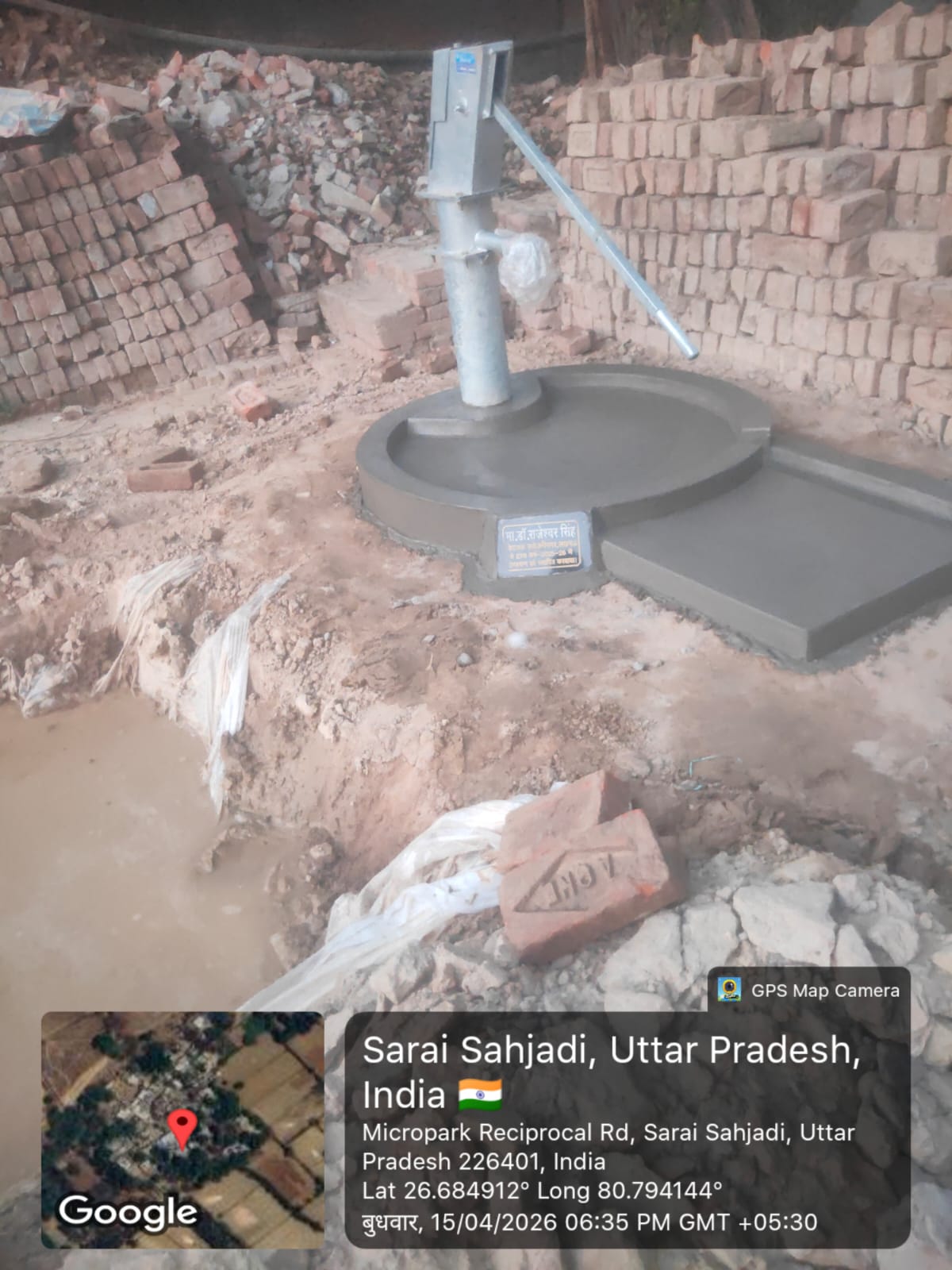
Drinking Water Security
Relieving rural water stress through local handpumps and deep wells.
Of rural households lack local safe water, forcing long daily walks.
Reduction in daily water collection time via 300+ handpumps.
I. Limited Access to Safe Drinking Water
In many rural and peri-urban areas of India, access to safe and nearby drinking water remains a persistent challenge. Households often depend on distant or unreliable sources, affecting daily life and health outcomes.
- Lack of direct water access: Data from the Central Ground Water Board (CGWB) and National Sample Survey Office (NSSO) indicates that 30–45% of households in such regions lack direct access to safe drinking water.
- Dependence on distant sources: Many families, especially women and children, travel 500 meters to 2 km daily to collect water, consuming significant time and physical effort.
- Inconsistent and unsafe supply: Water sources are often seasonal or unregulated, increasing risks of contamination and water-borne diseases.
- Impact on productivity and education: Time spent on water collection reduces time available for work, schooling, and other essential activities.
II. Installation of Handpumps
The initiative involves installing 300+ handpumps across underserved areas to provide reliable and accessible sources of potable water.
- Decentralized water access points: Located within or near habitations
- Low-cost and durable infrastructure: Suitable for rural deployment
- Immediate usability: No complex operation or maintenance required
III. Reduced Burden and Improved Living Conditions
The installation of handpumps leads to measurable improvements in daily life and health.
- Reduction in water collection time: Time spent fetching water decreases by approximately 30–50%, freeing up hours for productive activities.
- Improved access to safe drinking water: Reliable sources reduce dependence on unsafe or distant water points.
- Enhanced hygiene and health outcomes: Easier access supports better sanitation practices, lowering incidence of water-borne diseases.
- Increased productivity and school attendance: Reduced burden particularly benefits women and children, allowing more time for work and education.
- Strengthened community resilience: Localized water access improves overall quality of life and reduces vulnerability during shortages.
IV. Why This Intervention Matters at the Grassroots Level
Access to clean water is a fundamental necessity. Without it, other aspects of development—health, education, and livelihoods—are directly affected.
- Addresses 30–45% gap in water accessibility
- Reduces 30–50% time burden in water collection
- Improves health, hygiene, and daily productivity
- Strengthens basic rural infrastructure and resilience
Comparative Impact:
- Without intervention: Long travel for water, unsafe sources, high time burden
- With intervention: Nearby access, safer water, improved daily efficiency
Over time, widespread installation of handpumps creates a foundational improvement in rural living conditions, enabling communities to function more efficiently and with greater dignity.
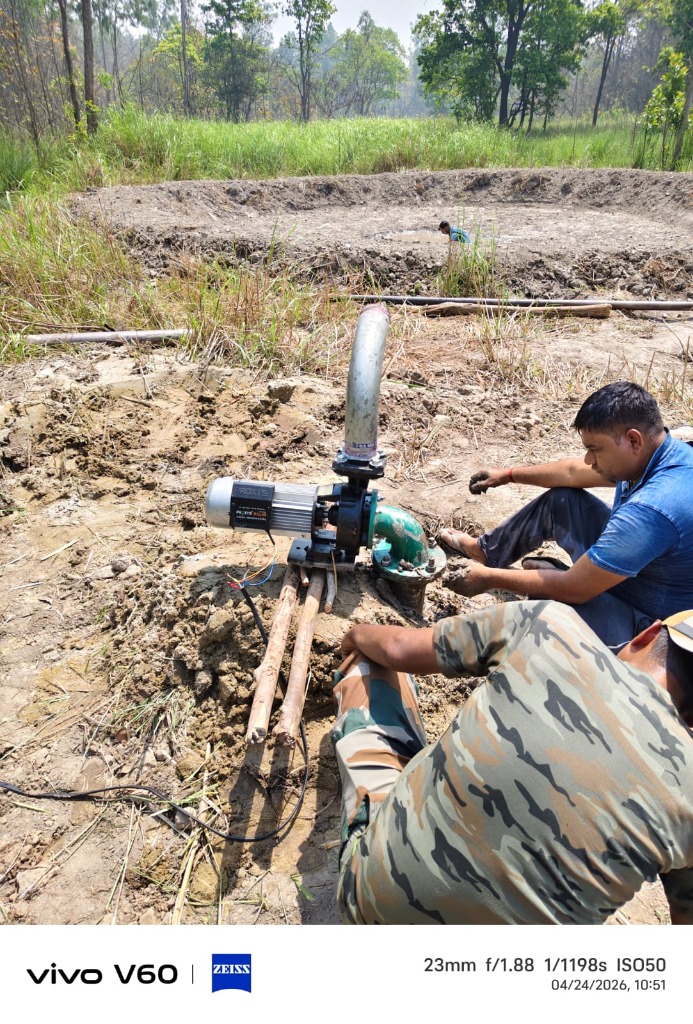
I. Inconsistent Water Supply in Public Spaces
In many public institutions across India—including stadiums, ashrams, and community facilities—water supply systems are often unreliable or insufficient for daily usage demands.
- Irregular water availability: Many such locations experience 20–40% inconsistency in water supply, affecting routine operations and public usage.
- High demand, low infrastructure capacity: Public spaces with large footfall require continuous water for sanitation, drinking, and maintenance, which existing systems often fail to support.
- Operational disruptions: Lack of reliable water supply impacts hygiene standards, event management, and overall usability of facilities.
- Dependence on external or manual sources: Water is often transported or manually managed, increasing operational inefficiency.
II. Deployment of Submersible Pump Systems
The initiative focuses on installing several submersible pumps in high-usage public locations to ensure consistent and efficient water supply.
- Automated water extraction systems: Drawing water directly from underground sources
- Continuous supply mechanism: Supporting high-demand environments
- Efficient and scalable infrastructure: Suitable for institutional use
III. Reliable Supply and Improved Functionality
Installation of submersible pumps leads to measurable improvements in infrastructure efficiency and user experience.
- Consistent water availability: Ensures uninterrupted supply, significantly reducing downtime in public facilities.
- Improved sanitation standards: Reliable water access supports hygiene in restrooms, cleaning, and maintenance.
- Enhanced usability of public spaces: Facilities can operate at full capacity without water-related constraints.
- Operational efficiency gains: Reduces manual intervention and dependency on external water sources.
- Better user experience: Visitors and users benefit from improved convenience and accessibility.
IV. Why This Intervention Matters at the Institutional Level
Water infrastructure is essential for the functionality of public spaces. Without reliable supply, even well-developed facilities cannot operate effectively.
- Addresses 20–40% inconsistency in water availability
- Supports high-demand institutional usage
- Improves sanitation, efficiency, and usability
- Strengthens public infrastructure reliability
Comparative Impact:
- Without intervention: Irregular supply, operational disruptions, poor hygiene
- With intervention: Continuous water access, efficient operations, improved standards
Over time, deploying submersible pumps enhances the reliability and effectiveness of public infrastructure, ensuring that essential facilities can serve communities without interruption.
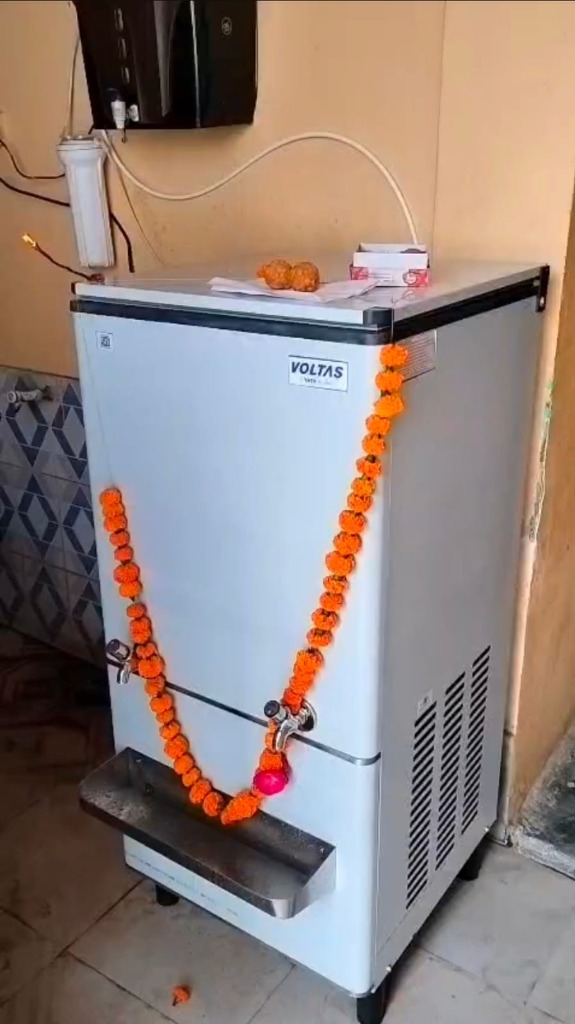
I. Unsafe and Inadequate Drinking Water Access
In high-footfall public spaces across India—such as courts, administrative offices, and transit areas—access to safe and clean drinking water is often limited or inconsistent.
- Water quality concerns: Many public water sources are untreated, increasing exposure to contamination and water-borne diseases, as noted by the Ministry of Health and Family Welfare.
- Heat stress in crowded environments: During peak summer months, temperatures in many regions exceed 40°C, increasing the need for accessible, cool drinking water.
- High demand, inadequate facilities: Public areas with large daily footfall often lack sufficient drinking water infrastructure to meet demand.
- Dependence on unsafe or paid alternatives: Individuals may rely on unverified sources or purchase bottled water, adding financial burden.
II. Installation of Water Coolers and Filtration Systems
The initiative involves installing water coolers and filtration units in courts and other public areas to ensure access to safe, potable drinking water.
- Provision of cooled, filtered drinking water
- Installation in high-usage public locations
- Continuous access systems for large populations
III. Improved Health and Public Convenience
The availability of safe drinking water leads to measurable improvements in health outcomes and user experience.
- Reduction in water-borne disease risk: Access to filtered water lowers exposure to contaminants, improving public health outcomes.
- Mitigation of heat-related stress: Availability of cool drinking water reduces risks of dehydration and heat exhaustion in high-temperature conditions.
- Enhanced public convenience: Easy access eliminates the need for individuals to carry water or depend on external sources.
- Cost savings for users: Reduces reliance on paid bottled water, especially for daily visitors to such spaces.
- Improved functionality of public spaces: Facilities become more user-friendly and better equipped to handle large crowds.
IV. Why This Intervention Matters in Public Infrastructure
Safe drinking water is a basic necessity, particularly in high-density public environments. Without it, health risks and discomfort increase significantly.
- Addresses water quality and access gaps in public spaces
- Reduces health risks and heat-related issues
- Improves user convenience and accessibility
- Strengthens public infrastructure standards
Comparative Impact:
- Without intervention: Unsafe water, heat stress, inconvenience
- With intervention: Safe drinking water, improved comfort, better health outcomes
Over time, installing water coolers and filtration systems enhances the safety and usability of public spaces, ensuring that essential amenities meet the needs of large and diverse populations.
I. Limited Lighting and Safety Risks
In many villages and peri-urban regions of India, inadequate street lighting remains a persistent issue, particularly in interior roads, community spaces, and access routes. This directly affects safety, mobility, and overall quality of life.
- Insufficient public lighting infrastructure: An estimated 30–40% of rural habitations lack adequate street lighting coverage, especially in interior lanes and less-developed areas.
- Increased safety concerns: Poorly lit areas contribute to higher risks of accidents, theft, and reduced personal safety, particularly for women, children, and the elderly.
- Restricted mobility after sunset: Lack of lighting limits movement during evening hours, affecting work, education, and social activities.
- Underutilization of public spaces: Community areas remain unused after dark due to visibility and safety constraints.
II. Installation of Street Lighting Systems
Our trust has installed 1000+ street lights (including solar-powered units) in key public areas, roads, and community zones to improve visibility and safety.
- Deployment of street lighting units: Covering roads, intersections, and public spaces
- Inclusion of solar lighting solutions: Ensuring functionality in low-grid areas
- Strategic placement: Targeting high-need and high-traffic locations
III. Improved Safety and Community Usage
Street lighting leads to measurable improvements in safety, accessibility, and community engagement.
- Enhanced public safety: Proper lighting can reduce night-time incidents and accidents by 20–30%, improving overall security.
- Increased mobility: Residents are able to move safely after sunset, supporting work, education, and daily activities.
- Better utilization of public spaces: Community areas become functional during evening hours, increasing social and economic activity.
- Improved quality of life: Lighting contributes to a sense of security and comfort within neighborhoods.
- Support for local economic activity: Shops and small businesses benefit from extended operational hours due to improved visibility.
IV. Why This Intervention Matters at the Grassroots Level
Street lighting is a fundamental component of basic infrastructure, directly influencing safety, accessibility, and community development.
- Addresses 30–40% gap in public lighting infrastructure
- Reduces safety risks and night-time incidents
- Enhances mobility and access to public spaces
- Supports local economic and social activity
Comparative Impact:
- Without intervention: Dark streets, safety concerns, restricted mobility
- With intervention: Well-lit areas, improved safety, active community spaces
Over time, expanding street lighting infrastructure strengthens rural and peri-urban environments by making them safer, more accessible, and more conducive to economic and social activity.
I. Inadequate Lighting and Safety Constraints
In many peri-urban and rural localities across India, public lighting infrastructure remains insufficient, particularly in internal roads, community areas, and less-developed zones. This creates safety risks and limits usability of spaces after dark.
- Significant lighting gaps: Approximately 30–50% of areas in such regions lack adequate street lighting, resulting in poorly illuminated public spaces.
- Increased safety risks: Low visibility contributes to higher chances of accidents, theft, and reduced personal safety, especially for women and elderly populations.
- Restricted mobility after sunset: Movement is often limited during evening hours due to safety concerns and lack of visibility.
- Underutilization of infrastructure: Roads, parks, and community areas remain largely unused at night due to poor lighting conditions.
II. Installation of Street and Solar Lighting
The initiative focuses on deploying several street lights and solar-powered lighting systems as mentioned earlier in underserved areas to improve visibility and accessibility.
- Installation of conventional and solar street lights
- Targeted coverage of high-need locations
- Use of off-grid solar solutions in low-electricity areas
III. Improved Safety and Community Functionality
Enhanced lighting infrastructure leads to measurable improvements in safety, mobility, and community activity.
- Reduction in safety incidents: Improved visibility can lower night-time accidents and risks by approximately 20–30%.
- Increased mobility and accessibility: Residents can move safely after sunset, supporting daily and economic activities.
- Better utilization of public spaces: Parks, roads, and community areas become functional during evening hours.
- Energy efficiency through solar solutions: Solar lights reduce electricity dependency and operational costs over time.
- Improved quality of life: Lighting enhances overall comfort, security, and usability of neighborhoods.
IV. Why This Intervention Matters at the Grassroots Level
Public lighting is a critical component of basic infrastructure, directly impacting safety, accessibility, and economic activity.
- Addresses 30–50% gap in lighting infrastructure
- Reduces safety and visibility-related risks
- Enhances mobility and community engagement
- Promotes sustainable energy usage through solar adoption
Comparative Impact:
- Without intervention: Dark areas, safety concerns, limited activity
- With intervention: Well-lit spaces, improved safety, active communities
Over time, expanding street and solar lighting systems strengthens local infrastructure, making communities safer, more accessible, and more conducive to social and economic development.
I. Lack of Basic Public Amenities
In many community spaces across India, essential amenities such as seating are often absent, reducing the usability and accessibility of public areas. Parks, cremation grounds, and common spaces frequently lack even minimal infrastructure.
- Absence of seating infrastructure: A large proportion of public spaces, especially in peri-urban and rural areas, have little to no seating arrangements, limiting their functional use.
- Disproportionate impact on elderly and vulnerable groups: Elderly individuals and those with health conditions face difficulty accessing or spending time in such spaces without proper seating.
- Reduced usability of public areas: Without basic amenities, community spaces remain underutilized despite availability.
- Limited inclusivity in public infrastructure: Lack of seating restricts access for people who require rest or support during visits.
II. Installation of Public Seating Infrastructure
The initiative involves installing benches in parks, shamshan ghats, and common areas to improve accessibility and usability of these spaces.
- Provision of durable seating units
- Strategic placement in high-use areas
- Focus on inclusivity and accessibility
III. Improved Comfort and Community Engagement
The addition of benches leads to measurable improvements in how public spaces are used and experienced.
- Enhanced accessibility for elderly users: Seating enables longer and more comfortable use of public spaces, particularly for senior citizens.
- Increased utilization of community areas: Parks and common spaces see 20–30% higher usage, especially during mornings and evenings.
- Improved comfort and convenience: Visitors can rest, socialize, and spend time in public areas without physical strain.
- Support for inclusive infrastructure: Public spaces become more accommodating for all age groups and physical conditions.
- Better community interaction: Seating encourages social engagement and strengthens community cohesion.
IV. Why This Intervention Matters at the Community Level
Basic amenities such as seating are essential for making public infrastructure functional and inclusive. Without them, access does not translate into usability.
- Addresses lack of basic amenities in public spaces
- Improves accessibility for elderly and vulnerable groups
- Enhances community engagement and space utilization
- Strengthens inclusive public infrastructure
Comparative Impact:
- Without intervention: Limited usability, discomfort, low engagement
- With intervention: Accessible spaces, improved comfort, higher community use
Over time, providing benches transforms public areas into more inclusive and functional spaces, enabling broader community participation and improving overall quality of life.
I. Extreme Water Scarcity and Accessibility Gaps
In backward and underserved regions of India, access to water is often severely limited, with entire communities lacking nearby and reliable sources. This creates daily hardship and affects health, livelihoods, and overall living standards.
- Severe lack of nearby water sources: In some areas, households travel 1–3 km daily to fetch water, indicating critical infrastructure gaps.
- High dependence on unreliable sources: Communities rely on seasonal ponds, tankers, or distant wells, leading to 30–50% inconsistency in water availability.
- Significant physical burden: Water collection consumes 2–4 hours per day, primarily impacting women and children.
- Health and hygiene risks: Limited access to clean water increases vulnerability to water-borne diseases and poor sanitation practices.
II. Combined Installation of Handpumps and Submersible Systems
The initiative focuses on deploying both handpumps and submersible pumps to create a reliable and scalable water access system in high-need regions.
- Decentralized handpump installation: For immediate, community-level access
- Submersible pump deployment: For higher-capacity and continuous supply
- Hybrid infrastructure approach: Addressing both accessibility and demand
III. Reduced Hardship and Improved Living Standards
The combined intervention results in measurable improvements in access, efficiency, and quality of life.
- Significant reduction in travel time: Time spent collecting water decreases by 40–60%, freeing up hours for work, education, and daily activities.
- Improved water reliability: Consistent access reduces dependence on seasonal or external sources.
- Enhanced health and hygiene: Availability of nearby clean water supports better sanitation and reduces disease risk.
- Increased productivity: Reduced physical burden allows households to allocate time to income-generating activities.
- Better quality of life: Reliable water access directly improves daily living conditions and community well-being.
IV. Why This Intervention Matters in High-Need Regions
Water access is a foundational requirement for development. In backward regions, addressing this gap creates immediate and wide-ranging impact.
- Addresses critical 30–50% water accessibility gaps
- Reduces 40–60% time and physical burden
- Improves health, hygiene, and productivity
- Strengthens basic infrastructure in underserved areas
Comparative Impact:
- Without intervention: Long travel, unreliable sources, high hardship
- With intervention: Nearby access, reliable supply, improved living conditions
Over time, establishing robust water infrastructure in backward regions enables communities to transition from survival-based routines to more stable and productive livelihoods.
Sports & Community Wellness
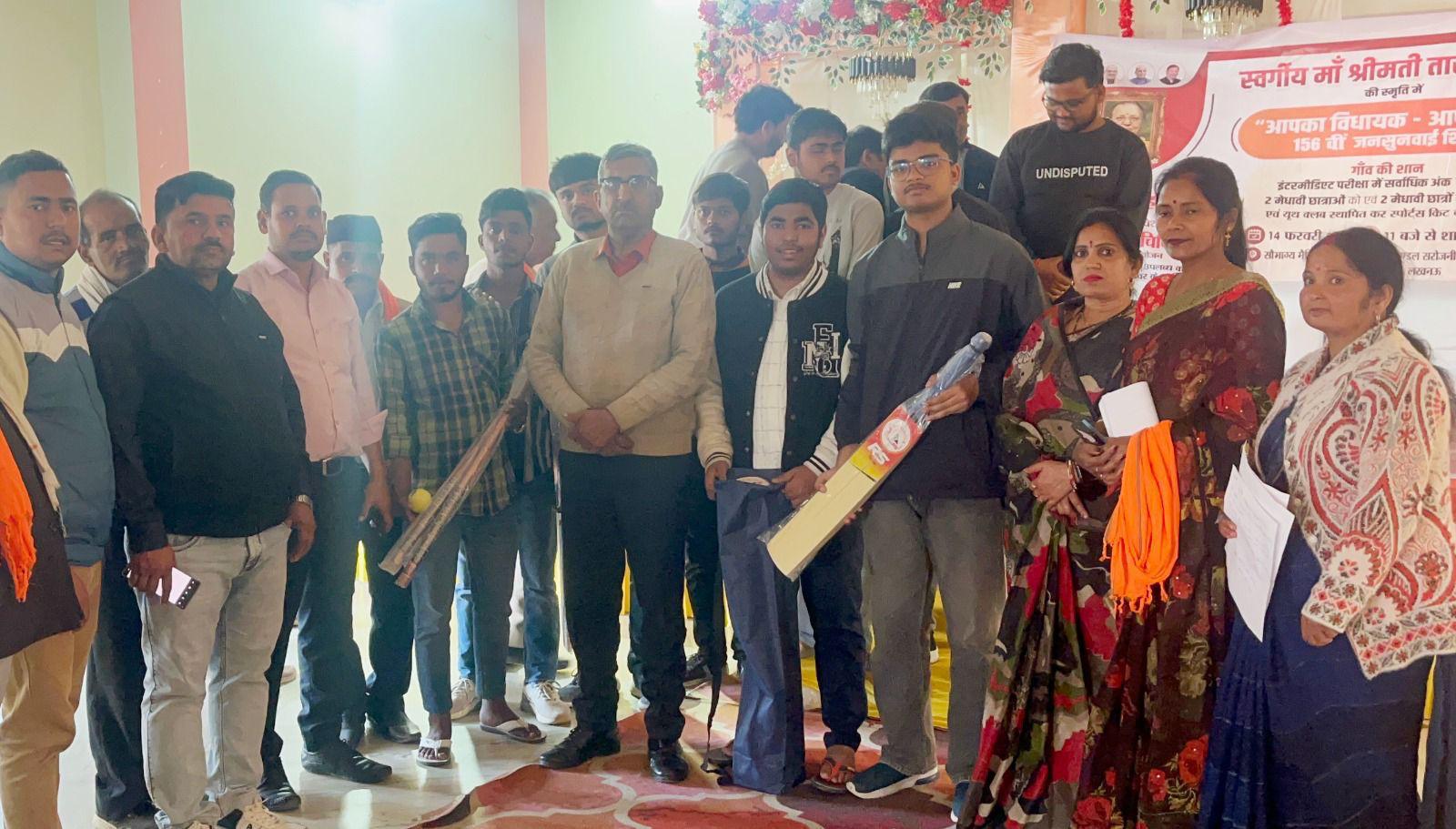
Sports Kit Impact Pipeline
Government and rural schools lack basic sports gear, kits, or equipment, limiting physical activity and student engagement.
Increase in regular student involvement and physical activity following school-level sports kit distributions and tournaments.
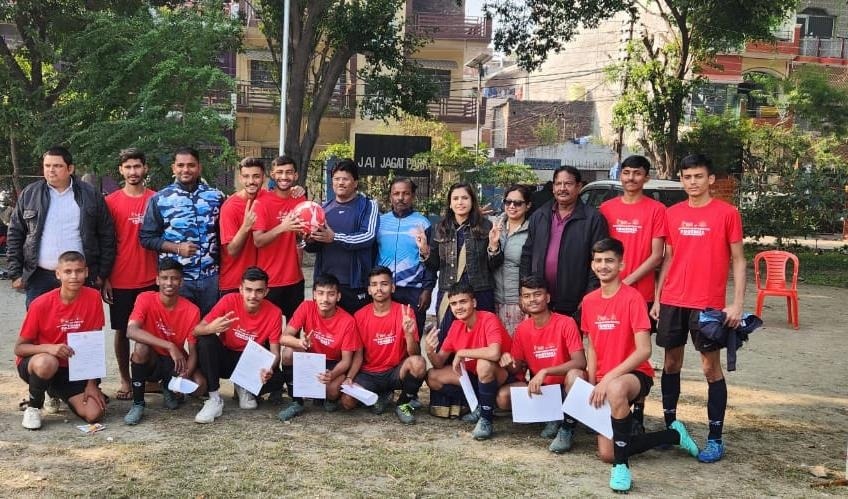
I. Limited Access to Sports Infrastructure
In many schools and communities across India, access to basic sports equipment remains inadequate, particularly in government and low-income institutions. This restricts regular participation in physical activities and structured sports development.
- Shortage of sports equipment: Trends from Unified District Information System for Education Plus (UDISE+) indicate that approximately 40–50% of schools lack adequate sports kits and equipment.
- Limited opportunities for physical activity: Without proper resources, sports periods are often underutilized or irregular, reducing overall student participation.
- Impact on physical and skill development: Lack of equipment restricts training in basic sports skills, coordination, and fitness.
- Urban–rural disparity in sports access: Students in underserved areas have significantly fewer opportunities compared to those in well-equipped institutions.
II. Distribution of Sports Kits and Equipment
The initiative focuses on providing sports kits, equipment, and basic infrastructure to schools and community groups, enabling structured and regular sports participation.
- Provision of essential sports equipment: Balls, kits, and training materials
- Support for school and community-level sports activities
- Encouragement of regular physical engagement
III. Increased Participation and Skill Development
Access to proper equipment leads to measurable improvements in sports engagement and physical development.
- Higher participation in sports: Student involvement in physical activities increases by approximately 25–35%.
- Improved physical fitness: Regular sports participation enhances endurance, strength, and overall health.
- Development of basic sports skills: Access to equipment enables structured practice and skill-building.
- Encouragement of teamwork and discipline: Sports activities foster collaboration, leadership, and social interaction.
- Identification of local talent: Increased participation helps identify and nurture potential athletes at an early stage.
IV. Why This Intervention Matters at the Grassroots Level
Sports infrastructure is a critical component of holistic education and youth development. Without basic equipment, participation remains limited regardless of interest.
- Addresses 40–50% gap in sports resource availability
- Converts irregular activity into structured participation
- Enhances physical health and skill development
- Supports grassroots talent identification and growth
Comparative Impact:
- Without intervention: Limited participation, low physical activity, restricted skill development
- With intervention: Active engagement, improved fitness, structured sports growth
Over time, providing sports kits and equipment strengthens grassroots sports ecosystems, ensuring that students have the resources needed to engage, develop, and excel in physical activities.
Contributions to Public Infrastructure & Welfare
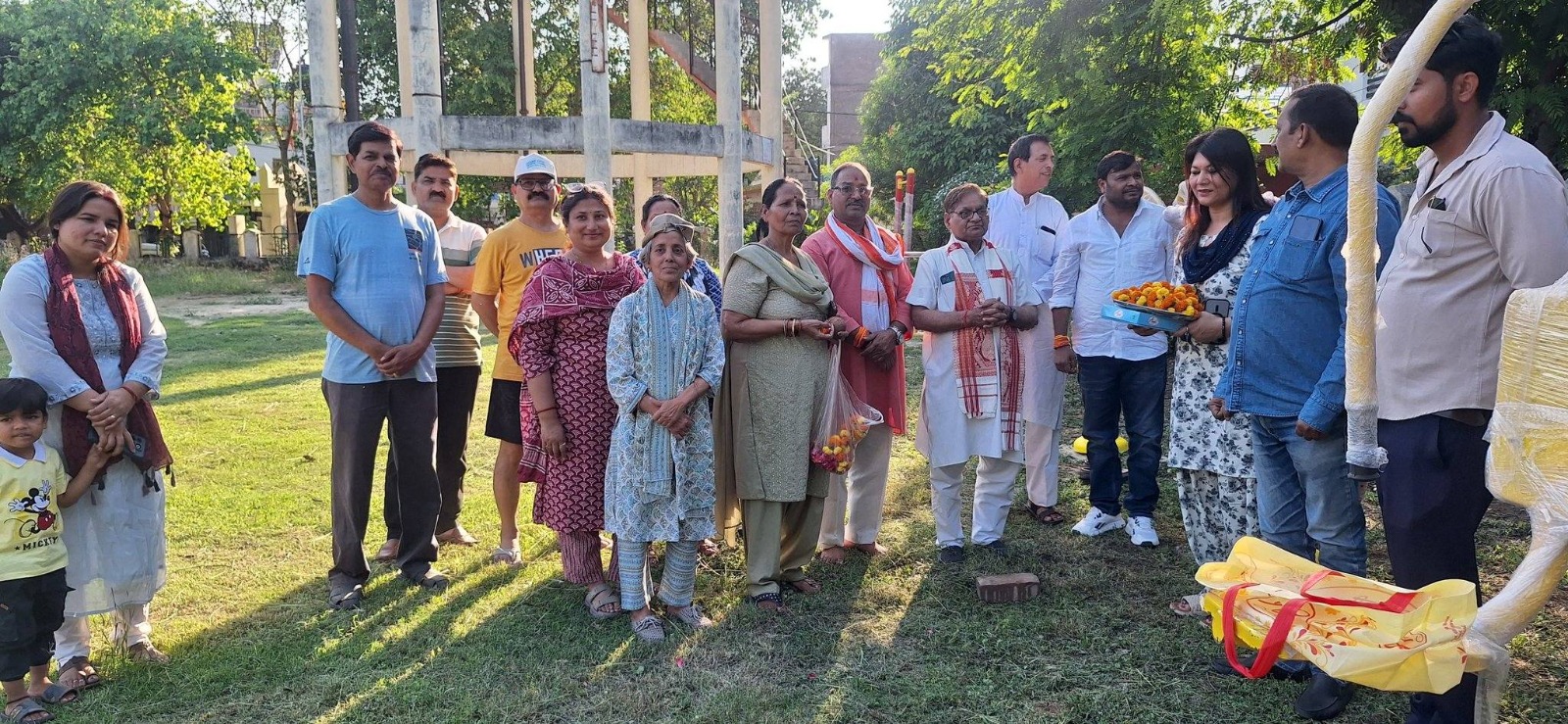
Infrastructure Upgrades
Upgrading rural classrooms and primary health clinics with desks, benches, and open gyms.
Infrastructure and seating gaps in government schools and public healthcare clinics (PHCs/CHCs) prior to upgrades.
Increase in patient satisfaction and learning efficiency through 50+ classroom and clinic infrastructure projects.
I. Limited Access to Affordable Fitness Infrastructure
In many communities across India, access to structured fitness facilities is limited, particularly for low- and middle-income populations. Physical activity is often constrained by lack of infrastructure and affordability barriers.
- Limited availability of public fitness spaces: A large section of the population lacks access to dedicated exercise infrastructure in residential areas.
- High cost of private gyms: Approximately 30–40% of low-income groups cannot afford private gym memberships, restricting access to regular fitness options.
- Low levels of physical activity: Absence of accessible facilities contributes to sedentary lifestyles, increasing long-term health risks.
- Lack of community-based fitness culture: Without shared spaces, opportunities for group exercise and social engagement remain limited.
II. Installation of Open-Air Gyms
The initiative focuses on installing open-air gym equipment in public and community spaces, providing free and accessible fitness infrastructure.
- Installation of outdoor fitness equipment
- Free and open access for all age groups
- Placement in parks and community areas
III. Increased Physical Activity and Community Engagement
Open-air gyms lead to measurable improvements in health behavior and community interaction.
- Increase in physical activity levels: Usage of such facilities has improved activity levels by approximately 20–30% among local residents.
- Promotion of preventive healthcare: Regular exercise helps reduce risks of lifestyle diseases such as obesity, hypertension, and diabetes.
- Improved accessibility and inclusivity: Free access ensures participation across different income groups.
- Enhanced community interaction: Shared fitness spaces encourage social engagement and collective participation.
- Better utilization of public spaces: Parks and open areas become more active and functional.
IV. Why This Intervention Matters at the Community Level
Accessible fitness infrastructure is essential for promoting long-term public health. Without affordable options, large sections of the population remain excluded from structured physical activity.
- Addresses 30–40% affordability gap in fitness access
- Converts inactive lifestyles into regular physical activity
- Promotes preventive healthcare and well-being
- Strengthens community engagement through shared spaces
Comparative Impact:
- Without intervention: Limited access, low activity levels, higher health risks
- With intervention: Accessible fitness, increased activity, improved health outcomes
Over time, open-air gyms contribute to healthier communities by making fitness accessible, inclusive, and integrated into daily life.
I. Lack of Recreational Infrastructure
In many government schools across India, basic play and recreational facilities are either absent or inadequate. This limits opportunities for holistic child development beyond academics.
- Insufficient play equipment: A significant number of public schools lack basic playground infrastructure such as swings and activity equipment, particularly in rural areas.
- Reduced opportunities for physical and cognitive development: Play is essential for motor skills, coordination, and social learning, yet remains under-supported in many institutions.
- Lower student engagement levels: Schools without recreational facilities often struggle to maintain student interest and enthusiasm, especially in primary classes.
- Impact on school attractiveness: Lack of play infrastructure can reduce overall appeal of schools, indirectly affecting attendance and retention.
II. Installation of Swings and Play Equipment
The initiative focuses on installing swings and basic play equipment in public schools to create a more engaging and balanced learning environment.
- Provision of safe and durable play equipment
- Integration into school infrastructure
- Focus on primary and upper primary students
III. Improved Engagement and Well-Being
The availability of play infrastructure leads to measurable improvements in student experience and participation.
- Increased student engagement: Recreational facilities improve overall engagement and interest in school activities by 20–30%.
- Enhanced physical development: Regular play supports motor skills, coordination, and physical fitness.
- Improved mental well-being: Playtime contributes to stress reduction and emotional balance among students.
- Better attendance and retention: More engaging school environments encourage consistent attendance, especially among younger children.
- Strengthened social interaction: Play areas promote teamwork, communication, and peer bonding.
IV. Why This Intervention Matters in School Ecosystems
Education is not limited to academics. Recreational infrastructure plays a critical role in overall child development and school effectiveness.
- Addresses lack of basic play facilities in public schools
- Enhances student engagement and school experience
- Supports physical, cognitive, and social development
- Improves attendance and retention outcomes
Comparative Impact:
- Without intervention: Limited play, low engagement, reduced school appeal
- With intervention: Active play, higher engagement, improved student well-being
Over time, integrating play infrastructure into schools creates a more balanced and supportive learning environment, contributing to both academic and developmental outcomes.
I. Limited Functional Infrastructure in Institutional Spaces
In many bar associations and legal workspaces across India, basic amenities required for efficient functioning are often inadequate or outdated. This directly impacts working conditions and overall productivity.
- Lack of essential amenities: A significant number of such institutions operate without proper cooling systems or information-display facilities, especially in district-level setups.
- Impact of extreme working conditions: In regions where temperatures frequently exceed 40°C, absence of cooling infrastructure affects comfort, focus, and work efficiency.
- Limited access to real-time information: Without televisions or digital display systems, access to live updates, legal news, and important announcements remains restricted.
- Operational inefficiencies: Suboptimal infrastructure contributes to reduced productivity and less effective use of institutional spaces.
II. Provision of ACs and Televisions
The initiative focuses on installing air conditioning systems and televisions in bar association premises to upgrade functional infrastructure and working conditions.
- Installation of air conditioning units: Improving thermal comfort
- Provision of televisions: Enabling access to information and updates
- Upgradation of existing infrastructure: Enhancing usability of spaces
III. Improved Work Environment and Efficiency
Enhanced infrastructure leads to measurable improvements in productivity and overall working conditions.
- Improved comfort and focus: Better temperature control contributes to 20–30% improvement in work efficiency, especially during peak summer periods.
- Access to real-time information: Televisions enable continuous access to legal updates, news, and relevant broadcasts.
- Enhanced institutional functionality: Upgraded spaces support smoother daily operations and professional activities.
- Better utilization of facilities: Comfortable environments encourage longer and more effective use of institutional spaces.
- Professional work environment: Improved infrastructure contributes to a more organized and efficient setting.
IV. Why This Intervention Matters at the Institutional Level
Functional infrastructure plays a key role in ensuring efficiency and effectiveness within public institutions. Without it, productivity and service quality are directly impacted.
- Addresses infrastructure and amenity gaps in institutional spaces
- Improves comfort, efficiency, and work output
- Enhances access to information and updates
- Strengthens overall institutional environment
Comparative Impact:
- Without intervention: Poor comfort, limited information access, lower efficiency
- With intervention: Improved environment, better productivity, enhanced functionality
Over time, such targeted infrastructure upgrades contribute to more effective and professional institutional ecosystems, supporting better service delivery and operational efficiency.
I. Gaps in Public Healthcare Infrastructure
Across many government healthcare facilities in India, especially Primary Health Centres (PHCs) and Community Health Centres (CHCs), infrastructure limitations continue to affect service delivery and patient experience.
- Infrastructure deficiencies: Public health centres face approximately 30–40% gaps in basic infrastructure, including seating, cooling, and patient amenities, as reflected in assessments by the Ministry of Health and Family Welfare.
- Suboptimal patient environment: Overcrowding, lack of ventilation, and absence of basic facilities reduce comfort for patients, particularly in high-temperature regions.
- Limited support facilities: Waiting areas often lack proper furniture or information systems, affecting usability and patient flow.
- Impact on service utilization: Poor infrastructure can discourage patients from fully utilizing public healthcare services.
II. Provision of Essential Infrastructure and Amenities
The initiative focuses on upgrading PHCs and CHCs through the provision of ACs, televisions, furniture, and open-air gym setups to improve both patient and facility environments.
- Installation of cooling systems (ACs): Enhancing patient comfort
- Provision of TVs: Disseminating health information and reducing perceived waiting time
- Furniture support: Improving seating and facility organization
- Open-air gyms: Promoting preventive healthcare and wellness
III. Improved Patient Experience and Facility Efficiency
Infrastructure upgrades lead to measurable improvements in both patient satisfaction and operational effectiveness.
- Enhanced patient comfort: Improved environments contribute to 20–30% increase in patient satisfaction, particularly in outpatient settings.
- Better facility utilization: Comfortable and functional centres see higher patient footfall and more consistent service usage.
- Improved service delivery conditions: Organized spaces and adequate infrastructure support smoother operations for healthcare staff.
- Promotion of preventive healthcare: Open-air gyms encourage community engagement in physical activity and wellness.
- Reduced perceived waiting burden: Access to information and improved environments make waiting periods more manageable.
IV. Why This Intervention Matters in Public Healthcare Systems
Infrastructure is a critical component of healthcare quality. Without adequate facilities, even essential medical services cannot be delivered effectively.
- Addresses 30–40% infrastructure gaps in public health centres
- Improves patient comfort and satisfaction
- Enhances service utilization and operational efficiency
- Supports preventive and community health initiatives
Comparative Impact:
- Without intervention: Poor infrastructure, low comfort, reduced utilization
- With intervention: Improved facilities, higher satisfaction, better healthcare access
Over time, strengthening infrastructure at PHCs and CHCs improves the overall effectiveness of public healthcare systems, ensuring that essential services are delivered in environments that support both patients and providers.
I. Inadequate Classroom Infrastructure
In many government and low-income schools across India, basic classroom furniture such as desks and benches remains insufficient, directly affecting the learning environment.
- Shortage of functional seating: Data from Unified District Information System for Education Plus (UDISE+) indicates that 20–30% of schools face gaps in availability of desks and seating infrastructure.
- Poor learning conditions: Students often sit on floors or overcrowded benches, leading to discomfort and improper posture during long school hours.
- Impact on concentration and discipline: Inadequate seating reduces attention span and makes classroom management more difficult.
- Higher impact in underserved areas: Rural and economically weaker schools are disproportionately affected due to limited resources.
II. Provision of Classroom Furniture
The initiative focuses on supplying desks, tables, and seating arrangements to underprivileged schools to create structured and functional classrooms.
- Distribution of desks and benches: Immediate usability
- Improved classroom layout: Structured seating arrangements
- Targeted support to high-need schools
III. Improved Comfort and Learning Efficiency
Provision of proper furniture leads to measurable improvements in student engagement and classroom functioning.
- Enhanced student comfort: Proper seating improves posture and reduces fatigue, contributing to 15–25% improvement in focus levels.
- Better classroom discipline: Organized seating arrangements support smoother classroom management.
- Increased participation: Comfortable students are more likely to engage actively in learning activities.
- Support for effective teaching: Structured environments enable teachers to conduct lessons more efficiently.
- Improved learning outcomes: Better focus and engagement contribute to overall academic performance.
IV. Why This Intervention Matters at the School Level
Basic infrastructure is fundamental to effective education. Without proper seating, the learning process is compromised regardless of teaching quality.
- Addresses 20–30% gap in classroom furniture availability
- Improves student comfort, focus, and discipline
- Enhances overall classroom efficiency
- Strengthens foundation of school infrastructure
Comparative Impact:
- Without intervention: Discomfort, low attention, disorganized classrooms
- With intervention: Proper seating, improved focus, structured learning environment
Over time, providing essential furniture ensures that classrooms are equipped to support both teaching and learning effectively, particularly in under-resourced schools.
I. Capacity Constraints and Infrastructure Gaps
Across many government schools in India, inadequate infrastructure continues to limit both access and quality of education. Overcrowded classrooms and insufficient sanitation facilities directly affect learning outcomes and student retention.
- Significant infrastructure gaps: Data from Unified District Information System for Education Plus (UDISE+) indicates 30–40% gaps in availability of classrooms and basic facilities in underserved schools.
- Overcrowded classrooms: Student-to-classroom ratios often exceed optimal levels, with 40–60 students per class, reducing individual attention and teaching effectiveness.
- Inadequate sanitation facilities: Lack of proper toilets and water access impacts hygiene and disproportionately affects attendance, especially among girls.
- Barrier to accessibility and retention: Poor infrastructure discourages regular attendance and limits overall school functionality.
II. Construction and Infrastructure Development
The initiative focuses on building 50+ additional classrooms and sanitation facilities to address both capacity and usability gaps in schools.
- Construction of new classrooms: Reducing student density
- Development of sanitation facilities: Toilets and water systems
- Upgradation of school infrastructure: Improving usability and access
III. Improved Learning Conditions and Access
Infrastructure expansion leads to measurable improvements in both academic delivery and student experience.
- Reduction in overcrowding: Additional classrooms reduce class sizes by 20–30%, improving teacher-student interaction.
- Enhanced learning environment: Better space, ventilation, and facilities improve focus and classroom engagement.
- Improved attendance and retention: Availability of sanitation facilities contributes to 10–20% increase in attendance, particularly among girls.
- Increased teaching effectiveness: Lower classroom density enables more structured and interactive teaching.
- Better school functionality: Schools operate more efficiently with adequate infrastructure.
IV. Why This Intervention Matters at the System Level
Physical infrastructure is a foundational requirement for effective education delivery. Without adequate space and facilities, improvements in teaching and curriculum have limited impact.
- Addresses 30–40% infrastructure gaps in schools
- Reduces overcrowding and improves learning quality
- Enhances accessibility, hygiene, and retention
- Strengthens overall school system efficiency
Comparative Impact:
- Without intervention: Overcrowding, poor facilities, reduced learning effectiveness
- With intervention: Adequate space, improved hygiene, better academic environment
Over time, investment in classrooms and sanitation ensures that schools are equipped to support growing student populations while maintaining quality, accessibility, and dignity in education.